
In This Article

How to Measure Room for Furniture Like a Pro

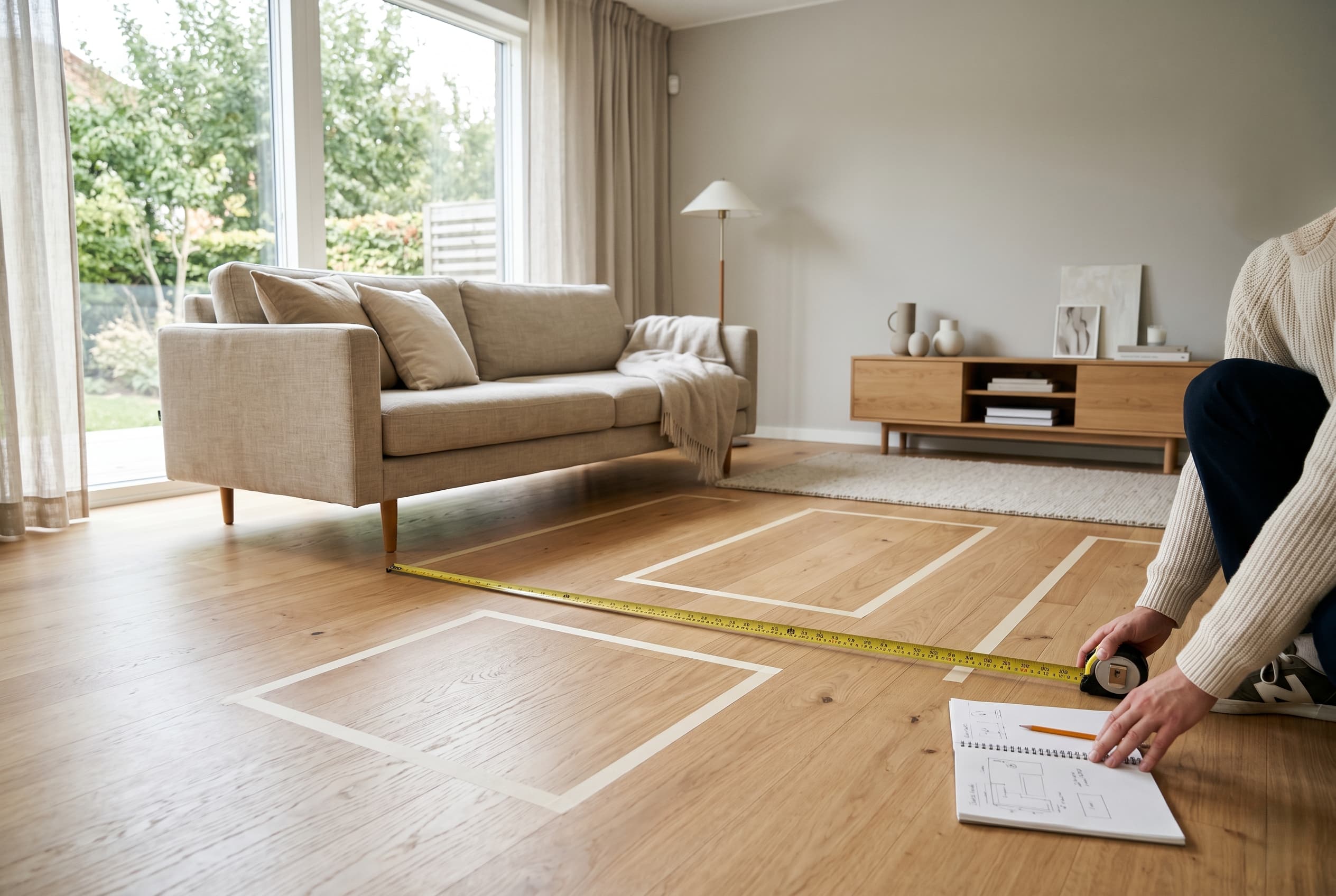
There is a certain excitement that comes with choosing new furniture, the vision of a refreshed space, better comfort, and a home that feels more “you.” But right after that comes the practical question: Will it actually fit the way you imagine?
That’s exactly where understanding how to measure a room for furniture makes all the difference. If you’re also planning layouts for compact areas, knowing how to choose furniture for small spaces can further help you make better decisions.
Why Room Measurements Matter More Than You Think
Accurate room measurements are the foundation of good furniture planning. Without them, even the most beautiful pieces can feel out of place.
Before diving into the numbers, it helps to understand why this step matters so much.
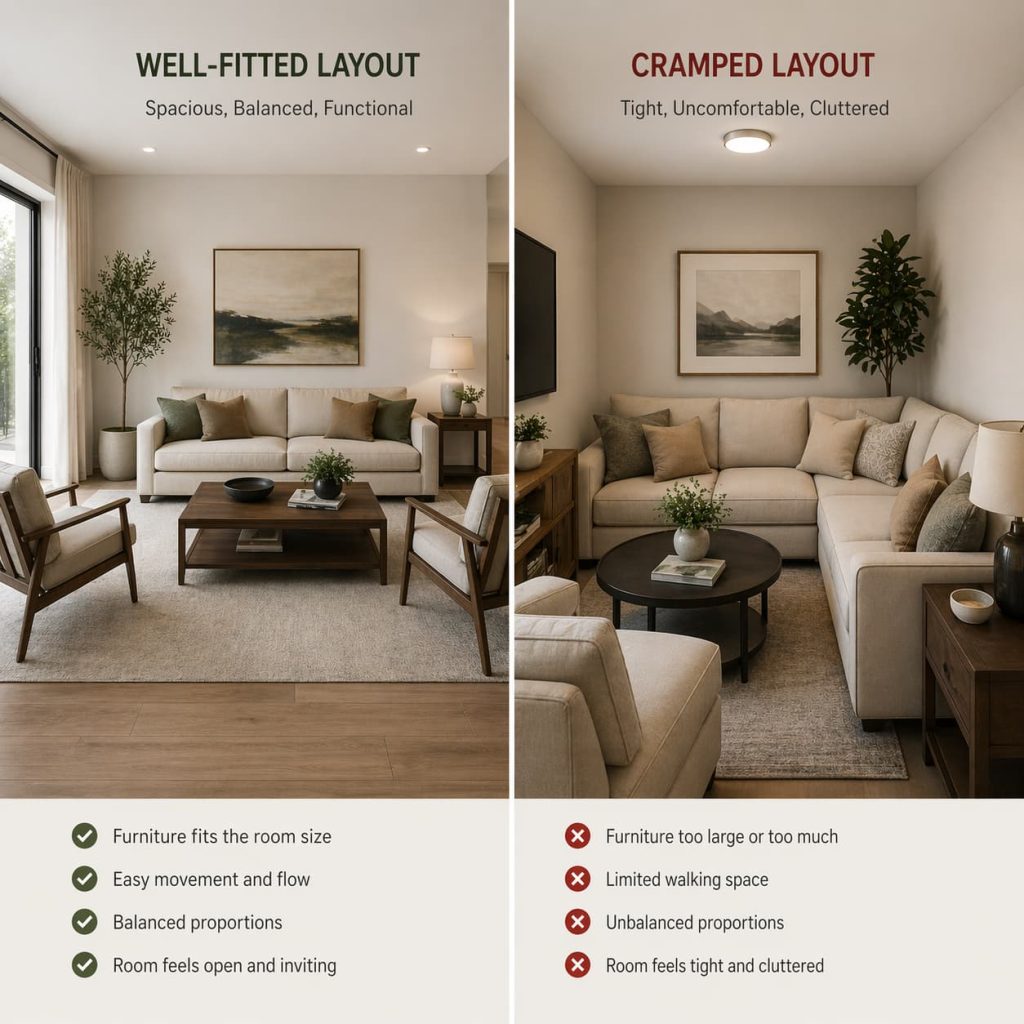
Industry insights suggest that a significant portion of furniture returns—often close to 30%—are due to incorrect sizing or poor fit. That’s not just inconvenient; it disrupts your entire design plan.
When you understand how to measure room size properly, you’re not just avoiding mistakes—you’re making smarter, more confident decisions, especially when investing in custom-made furniture or exploring different types of furniture styles for your home.
The Basics: What You Need Before You Start
You don’t need complicated tools to figure out how to measure a room. A few simple things will do:
- A measuring tape (preferably 20–25 feet)
- A notepad or sketchbook
- A pencil
- Your smartphone (for quick photos)
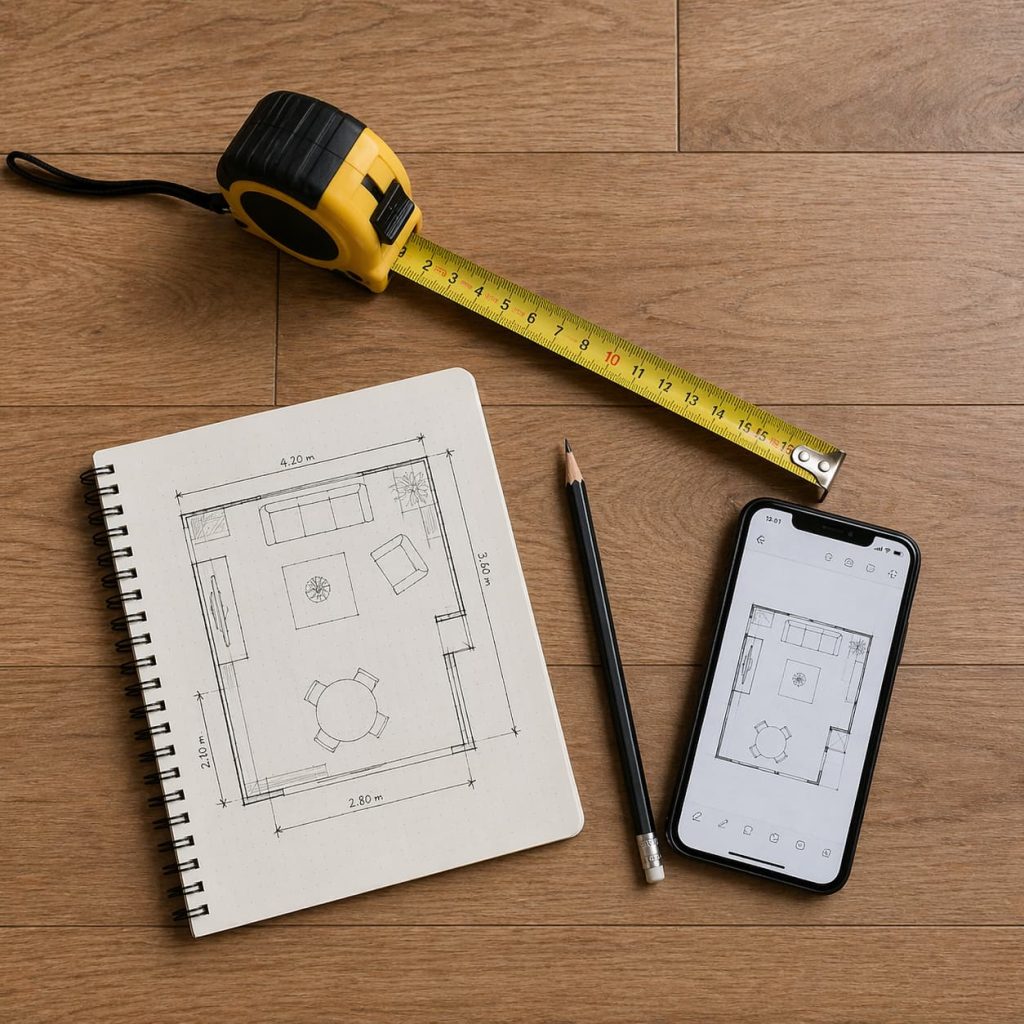
A quick sketch paired with accurate numbers can make all the difference when planning your layout or discussing options. This small setup helps you capture accurate numbers and visualize your space better—especially when planning furniture placement later.
How to Measure a Room for Furniture
Measure the Room Length and Width
Start by measuring the full length and width of the room on the floor. A measuring tape flat against the baseboard gives the most accurate reading. Write these down immediately. Then measure it again. It sounds obvious, but a single inch off can matter when you’re buying a sectional or a king bed frame.
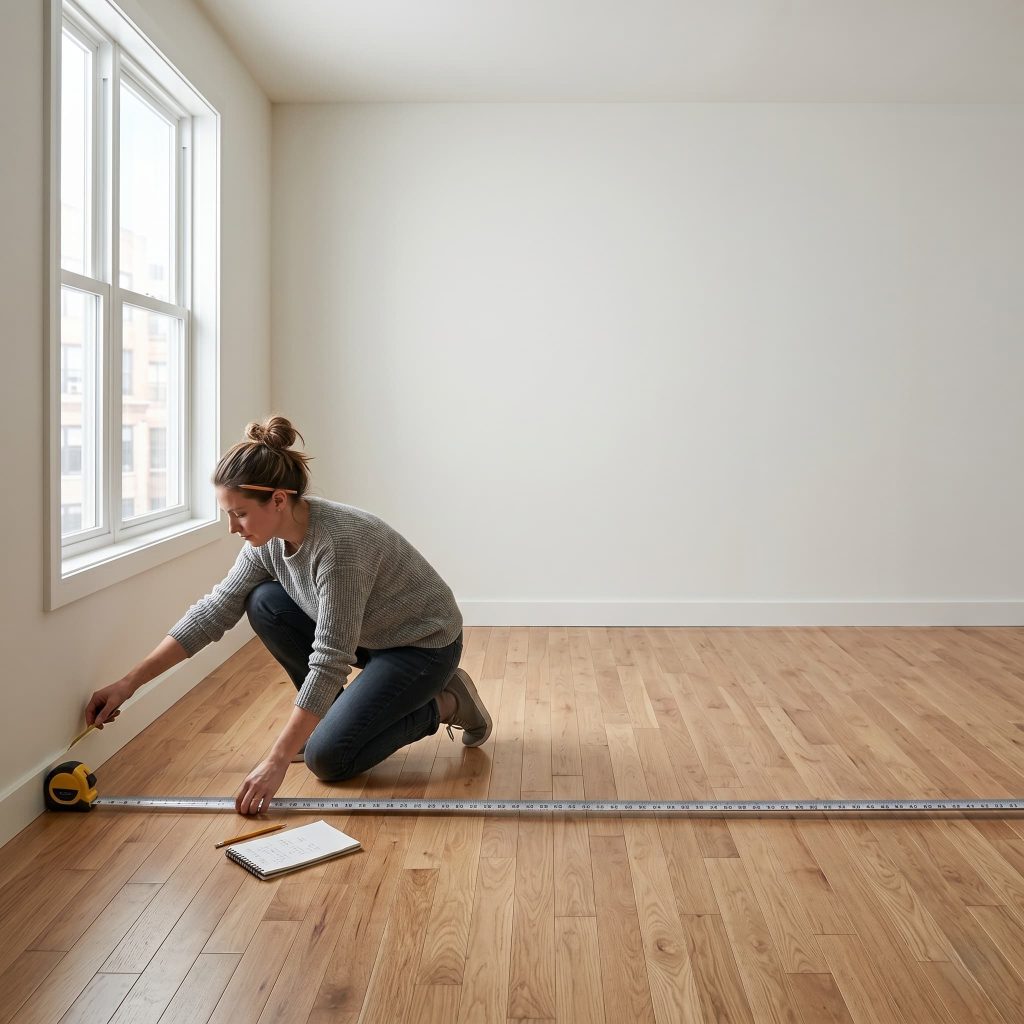
Also note any areas where the room narrows — an alcove, a recessed wall, a chimney breast. These irregular shapes are easy to forget on paper and expensive to discover on delivery day.
Understand the Vertical Space (Ceiling Height)
Ceiling height shapes the entire mood of a room and directly affects how tall furniture — bookshelves, wardrobes, four-poster beds — will look and function. Measure from floor to ceiling in at least two spots. Older homes often have slight variations due to settling.
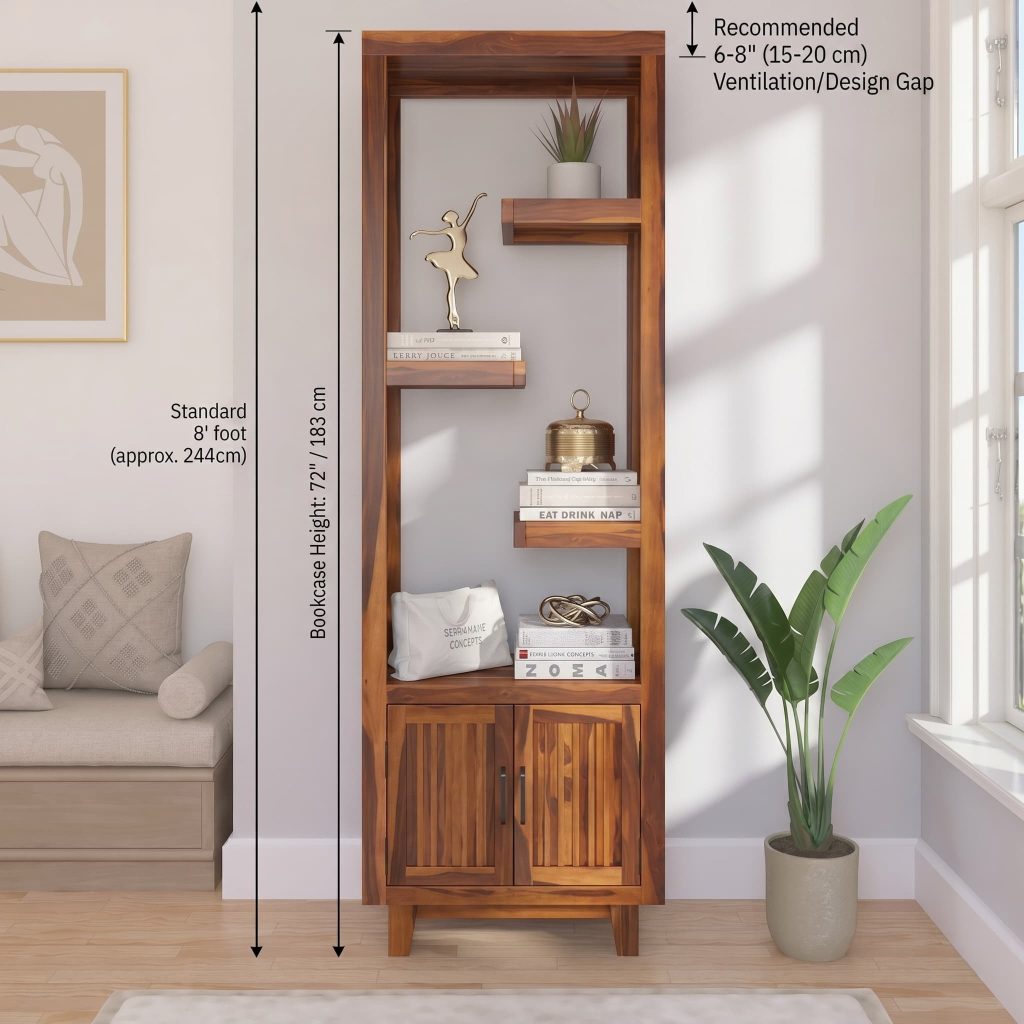
Interior Design Insights – Interior designers often recommend keeping tall furniture at least 6–8 inches below ceiling height to prevent the room from feeling like it’s closing in — especially in spaces with 8-foot ceilings.
Measure Doors, Windows, and Fixed Elements
Mark the location of every door (including how far it swings open), every window with its sill height, radiators, vents, switches, and sockets. These are the invisible constraints that quietly dictate furniture placement.
- Doors (width, height, and swing direction)
- Windows (including trim space)
- Electrical outlets & switches
- Vents, radiators, or columns
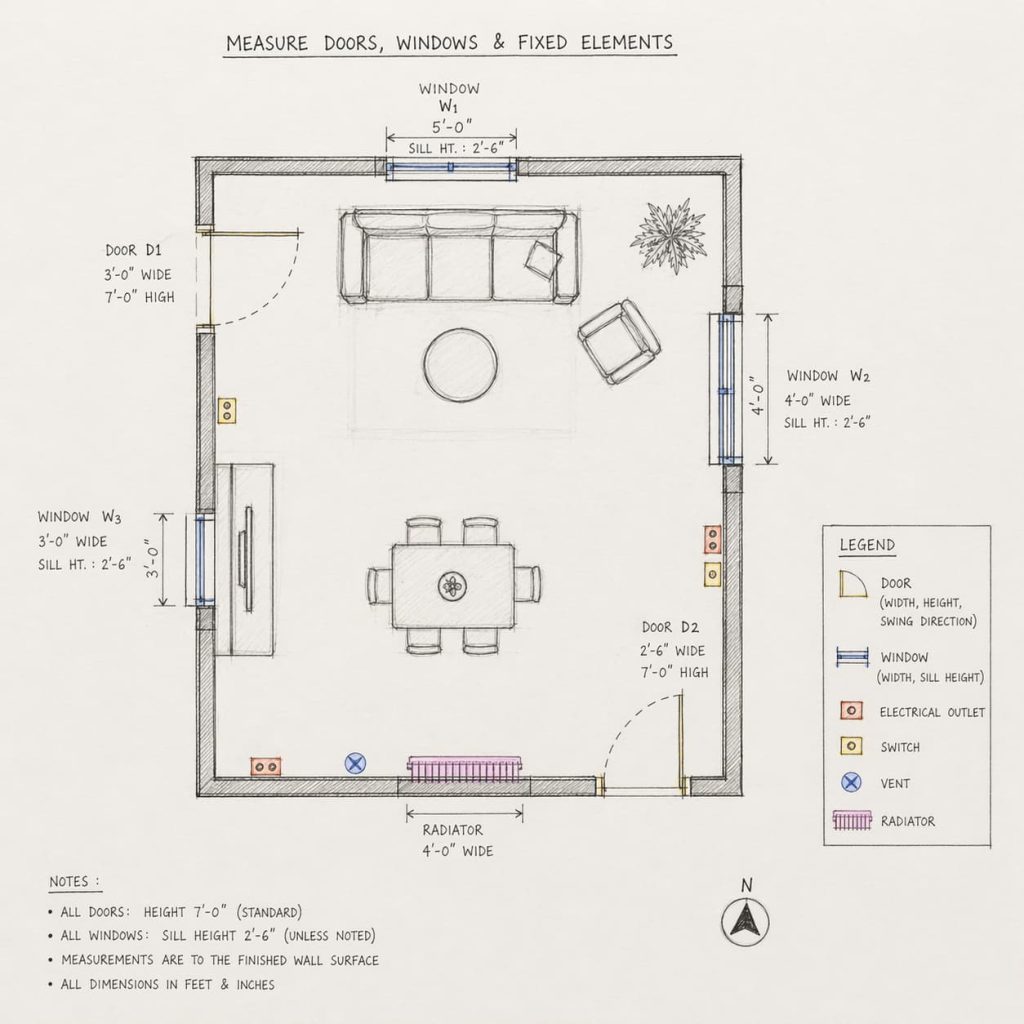
These details may seem small, but they shape your furniture layout planning significantly.
How to Measure Furniture (Before You Buy)
Understanding how to measure furniture dimensions is just as important as measuring your room.
For each furniture piece, check:
- Width (side to side)
- Depth (front to back)
- Height (floor to top)
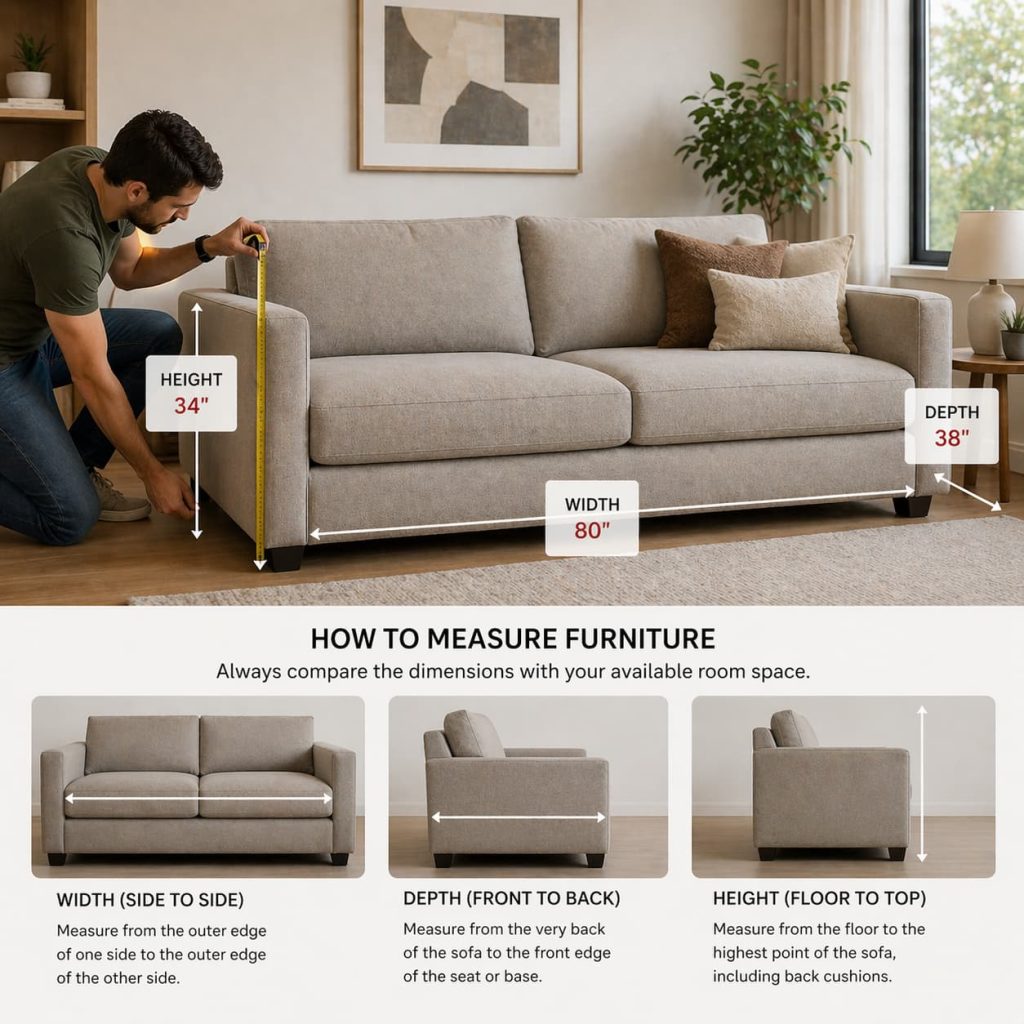
If you’re wondering how to measure furniture, always compare these dimensions with your available room space—not just visually, but numerically.
Expert insight – Design professionals often recommend leaving a few inches of extra clearance around furniture to avoid a cramped look and allow easier movement.
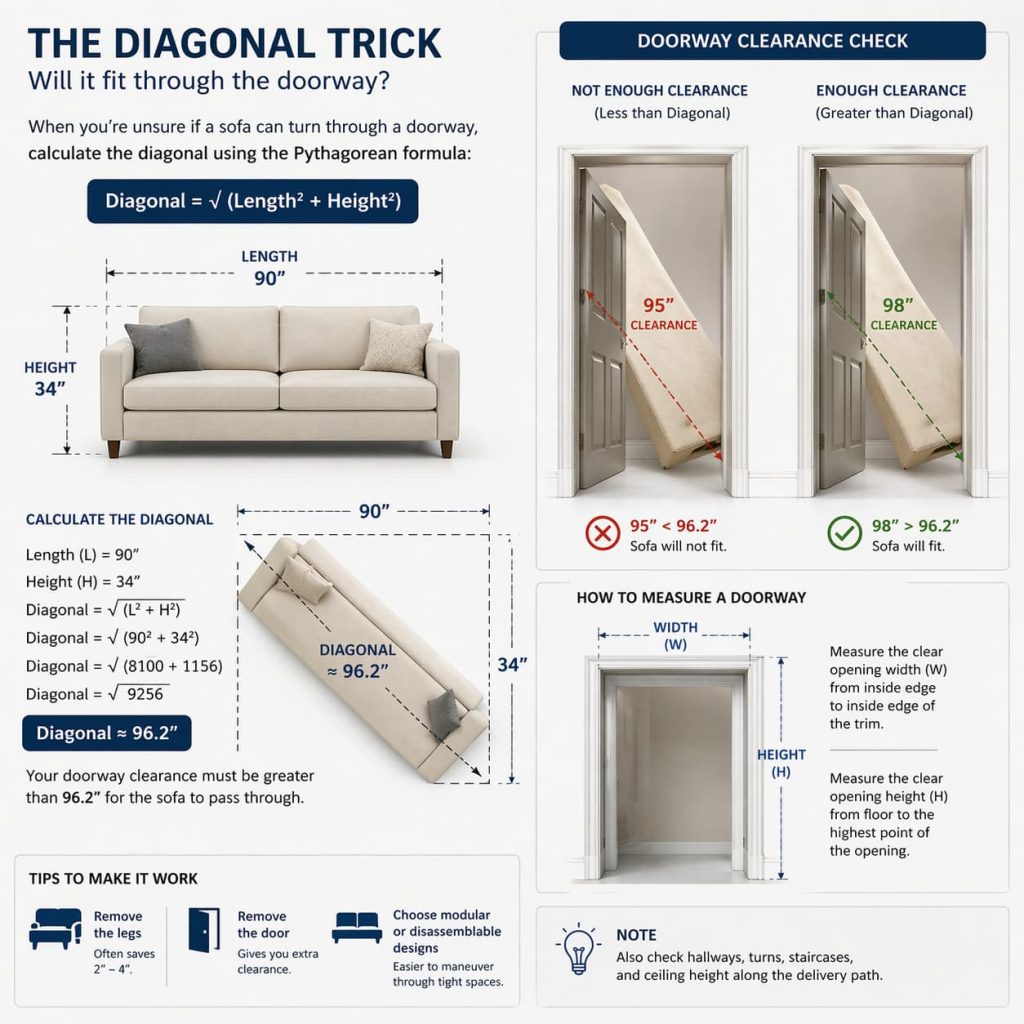
Don’t Skip This: Measure Entryways & Delivery Paths
This is the section most people skip — and the one that causes the most headaches. Before you fall in love with a piece, trace the path it would need to travel from your front door.
This is especially crucial when buying large furniture like solid wood beds or dining tables that may not easily fit through tight entryways, staircases, and room turns.
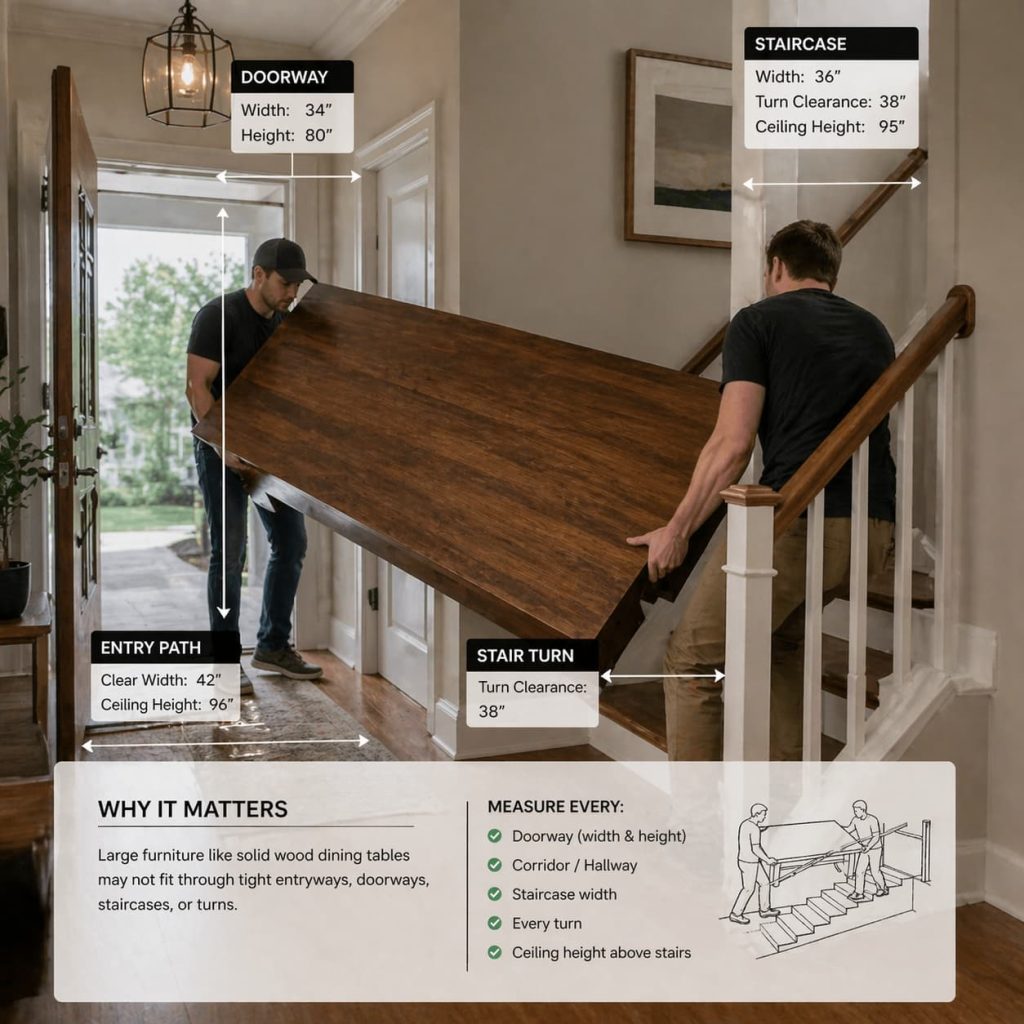
Measure every doorway (width and height), every corridor, and — critically — every turn in the staircase. Note the ceiling height above the stairs too.
The Diagonal Trick
Plan Furniture Layout & Spacing
Once you have your room dimensions, the next step in furniture layout planning is figuring out how everything will live together. This is where rooms either feel curated or cluttered.
The single most important rule: walkways.
Keep a minimum of 30–36 inches of clear walking space on any pathway people regularly use.
In a dining room, this becomes especially important when arranging dining table sets, ensuring there’s enough room to pull chairs comfortably. Similarly, spacing between seating elements like coffee tables and living room sofas, or adding accent seating such as accent chairs, should feel natural and easy to move around.
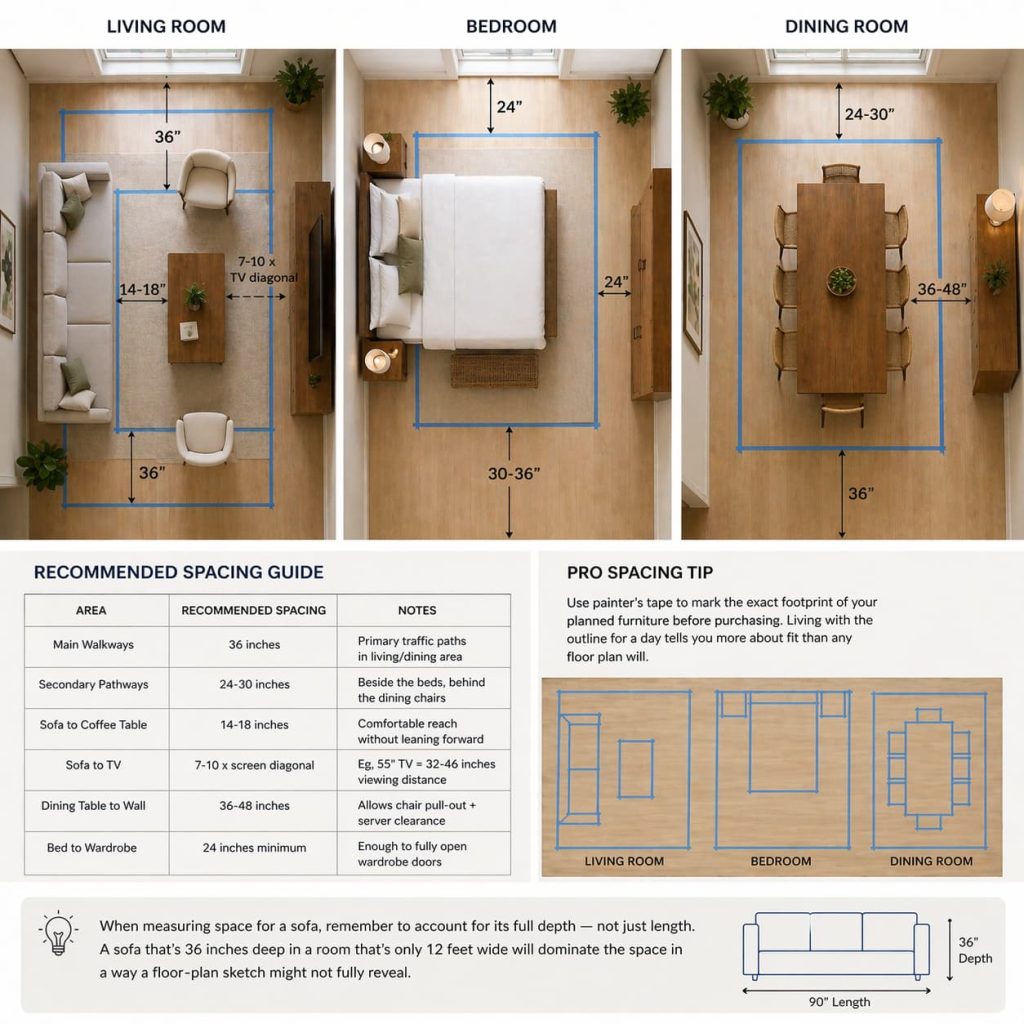
How to Measure a Living Room for Better Layout
When planning how to measure a living room, think beyond dimensions—focus on movement and comfort.
This is where selecting the right living room furniture becomes essential, as every piece, from sofas to tables, needs to work together without overwhelming the space.
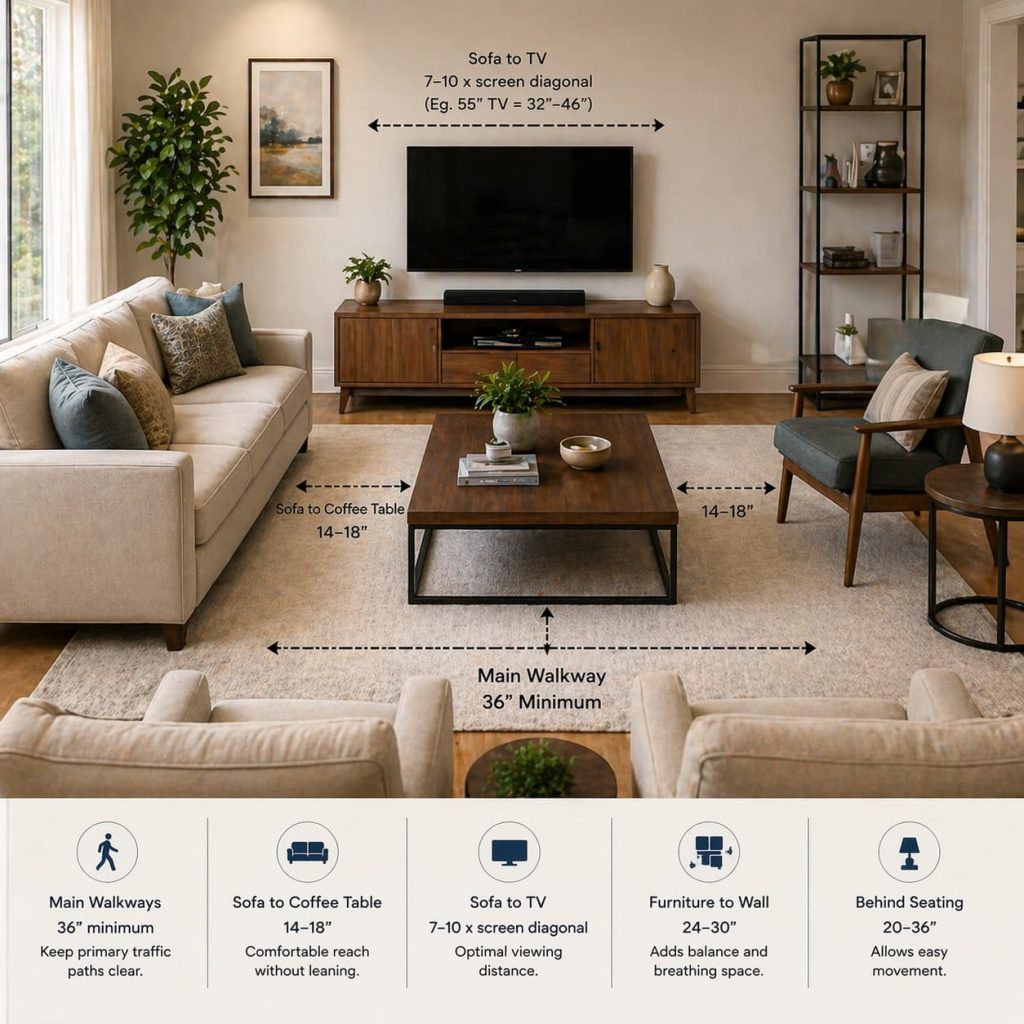
Ideal Spacing Guidelines:
- Width (side to side)
- Depth (front to back)
- Height (floor to top)
These small details improve both functionality and flow.
How to Measure Bedroom Space the Right Way
Understanding how to measure bedroom space is key to creating a restful layout.
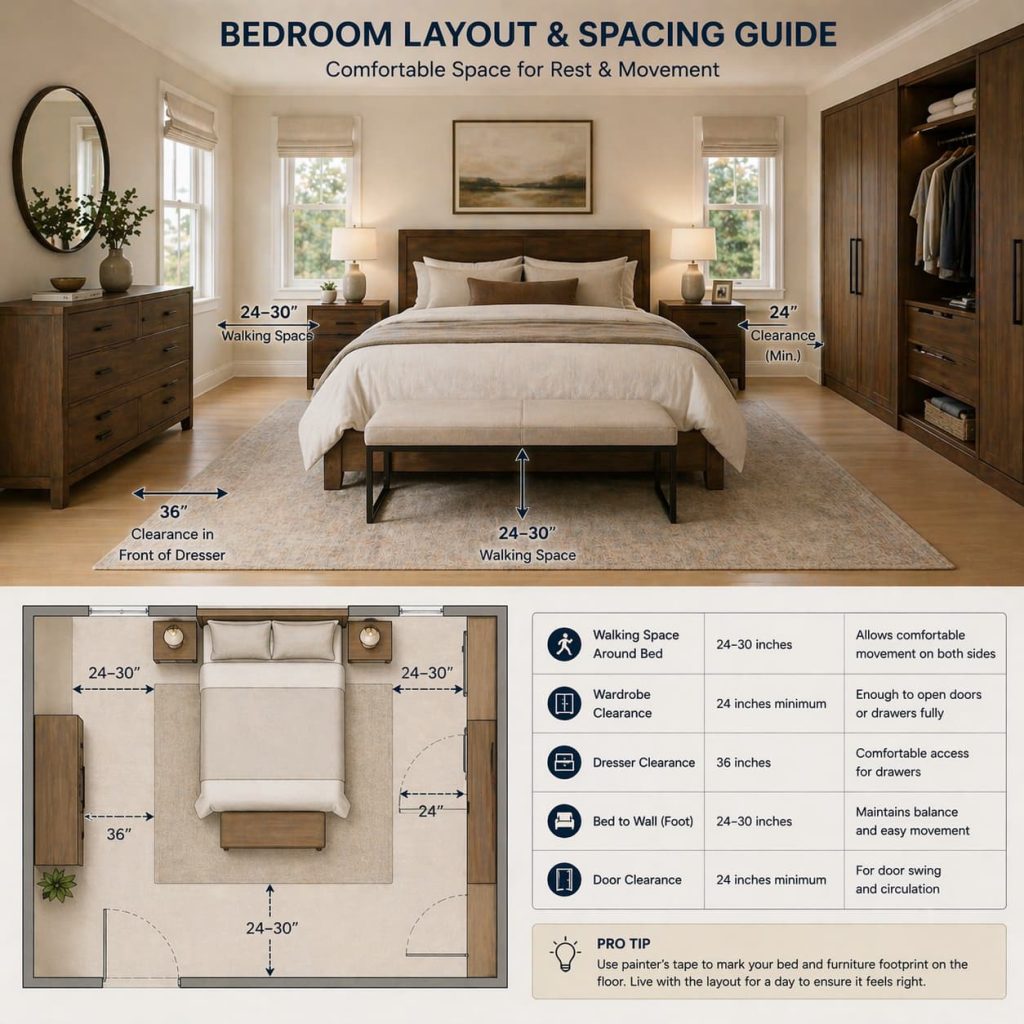
Focus on:
- Bed placement
- Walking space around the bed (24-30 inches)
- Wardrobe and dresser clearance
Choosing the right bedroom furniture, especially well-fitted solid wood beds, ensures the space feels balanced rather than cramped.
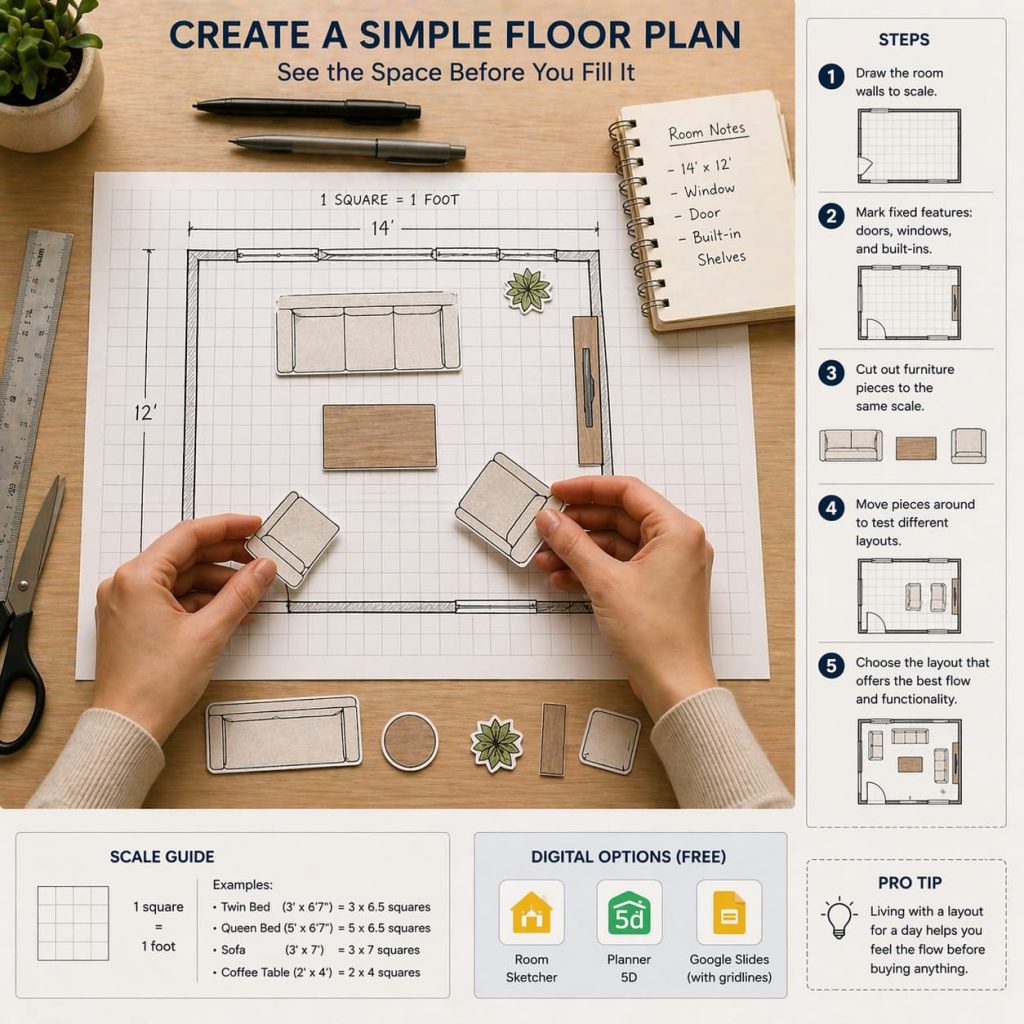
Create a Simple Floor Plan
You don’t need to have a design background or an architecture degree. A simple hand-drawn floor plan on graph paper — where one square equals one foot — is genuinely useful and takes about 20 minutes.
Common Mistakes to Avoid
- Measure only the room, not the path. Every centimeter of the delivery route matters — especially staircases and tight hallway turns.
- Forgetting the swing arc of doors. A door that opens into a room can eat up 10–14 square feet of usable space when open — furniture placed nearby will block it.
- Buying by “eye” in a showroom. Furniture always looks smaller in a large, high-ceilinged showroom than it will be in your home. Always bring your measurements.
- Not accounting for ceiling fixtures. Pendant lights, ceiling fans, and beams all affect what can sit where — especially tall furniture and bunk beds.
- Overlooking skirting boards and architraves. These add 0.5–1 inch to walls and can prevent furniture from sitting flush — small enough to overlook, significant enough to notice.
Expert Tips to Keep in Mind
On layout planning
Interior designers often suggest choosing one anchor piece – usually the largest item in the room – and building the layout around it. In the living room, that’s typically the sofa. In a bedroom, the bed. Letting the anchor set the proportions tends to produce a more balanced, cohesive result than trying to fit everything in at once.
On irregular rooms
If your room has angled walls, a bay window, or built-in shelving, measure along each wall section individually rather than trying to take one long reading. It takes a couple of extra minutes but gives you a much clearer picture of the actual usable space.
The Right Measurement Deserves the Right Furniture
Once you’ve taken the time to understand your space this carefully, it makes sense to bring that same thoughtfulness to the furniture you choose.
At Sierra Living Concepts, every piece is custom-made in solid wood — which means dimensions, configurations, and finishes can be tailored to your specific room rather than the other way around. Investing in custom solid wood furniture ensures that your space is not only well-measured but also perfectly utilized with furniture that truly fits your home.
