
In This Article

What Wood is Closed to Cherry Wood?

Picking the proper wood type for your house feels like selecting the ideal outfit – it’s all about the color, the aesthetic, and how it will work in your space. And when it comes to sophisticated and understated wood tones, cherry wood is the real showpiece. Rich reddish-brown in color that ages magnificently over the years, it is popular with luxury furniture.
However, let’s be realistic; cherry wood can be expensive and sometimes difficult to find. But what if I told you there are other woods out there that can give you that same gorgeous cherry vibe that is more budget-friendly or a little different? That’s exactly what we’re diving into today. I’ll show you the best cherry look-alikes, bust some myths that might be confusing you, and help you determine what’s actually going to work in your space.
What Does Cherry Wood Look Like?
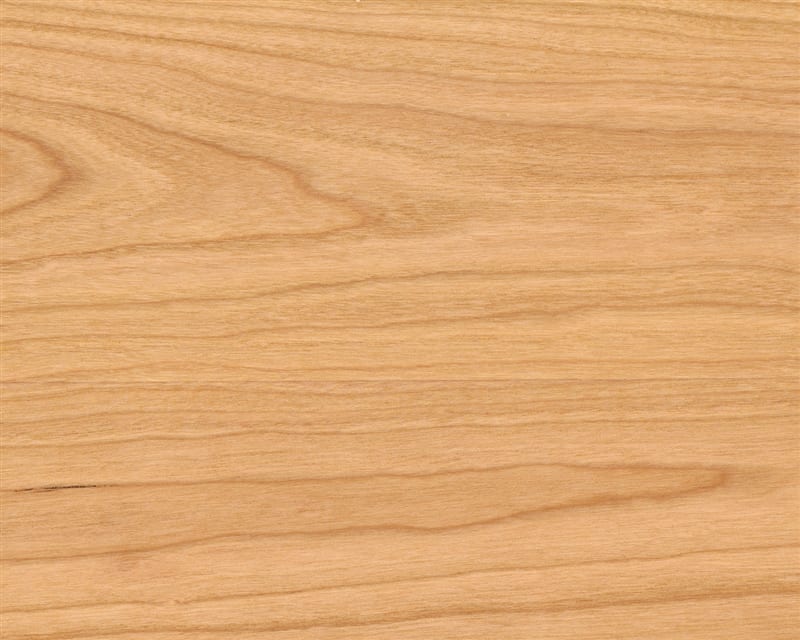
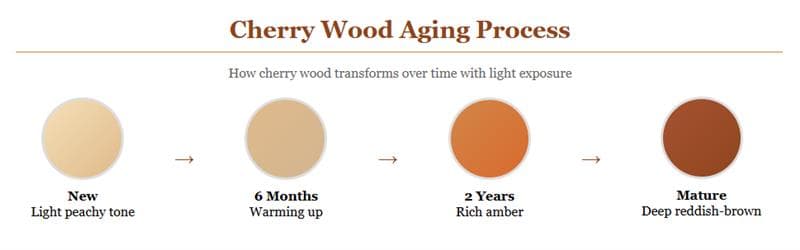
Understanding what cherry wood actually looks like helps explain what to look for in alternatives. Cherry wood is kind of like a fine wine – it starts out one way and gets better with time. When it’s fresh, it has a light, almost peachy-brown color that might surprise you.
But give it some time to soak up light and air, and it transforms into that deep, rich reddish-brown that makes people stop and ask where you got your furniture.
The cherry wood grain is typically straight and smooth, creating that luxurious appearance we see in high-end cherry wood cabinets, cherry wood dressers, and other premium furniture pieces.
Is Cherry Wood a Hardwood? Yes, it is classified as a hardwood, though it falls into the medium hardness category. At the same time, softer than oak or maple, it’s durable enough for furniture that lasts generations, while remaining workable for detailed craftsmanship.
Where Does Cherry Wood Originate? In the eastern United States, American black cherry trees (Prunus serotina) are the main source of it. The best cherry lumber typically comes from Pennsylvania, West Virginia, and other Appalachian regions.
Why Is Cherry Wood So Popular?
Before exploring alternatives, let’s talk about why it is a top pick.
- Beautiful Color: The light pinkish-brown color of it gradually turns into a deep reddish-brown hue. That graceful aging gives furniture a timeless warmth and welcoming character.
- Smooth Grain: It has a fine, straight grain that gives furniture a sleek, polished look. This makes it a good match for both traditional and modern styles.
- Durability: Even though it’s softer than some other hardwoods, cherry is still strong enough for long-lasting furniture with proper care.
- Ages Gracefully: While some woods tend to lose their charm over time, cherry wood does the opposite—it develops a rich, warm patina that only gets better with age, something many homeowners truly love.
Despite these qualities, cherry wood can be pricey and less readily available. That’s why many people start looking for alternatives that capture a similar beauty without the higher cost.
Understanding Cherry Wood Variations
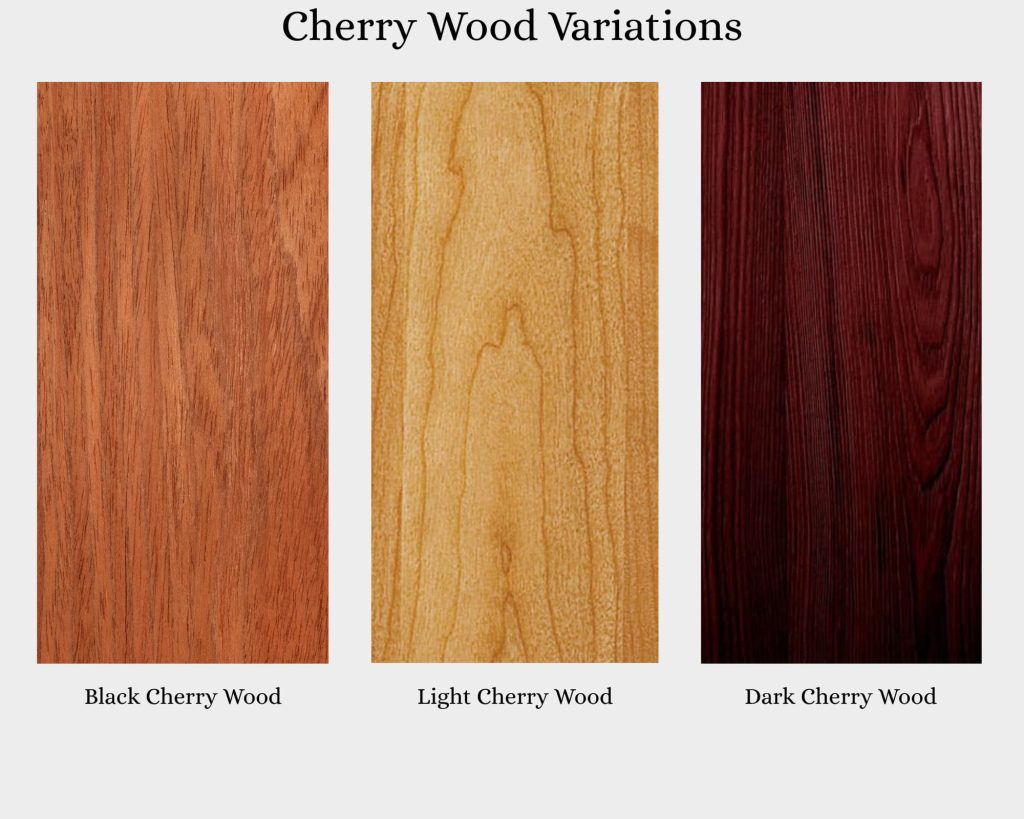
- Black Cherry Wood: This cherry wood is at its richest, aged over time to develop deep, luxurious tones. It’s highly sought-after for high-end, heirloom-quality furniture thanks to its bold, dramatic look.
- Light Cherry Wood: Younger cherry or pieces that haven’t been exposed to much light maintain softer, prettier hues. Perfect for items like a light cherry wood single plant stand.
- Dark Cherry Wood Stain: Want that beautiful, deep cherry look without waiting years? This stain can be applied to different woods to mimic the rich, aged tones of dark cherry right away.
Woods That Look Similar to Cherry
If you love the warm color of it but want more affordable or flexible options, here are some great choices:
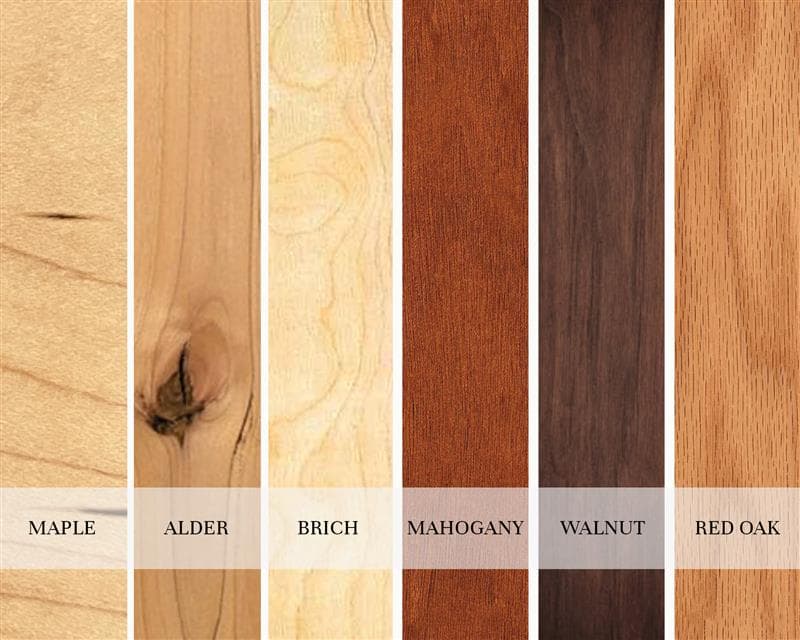
1. Maple (The Versatile Choice)
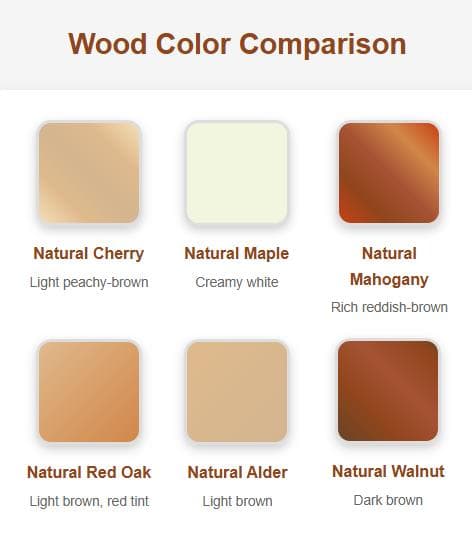
- Natural Color: Soft, creamy white to a gentle pale yellow.
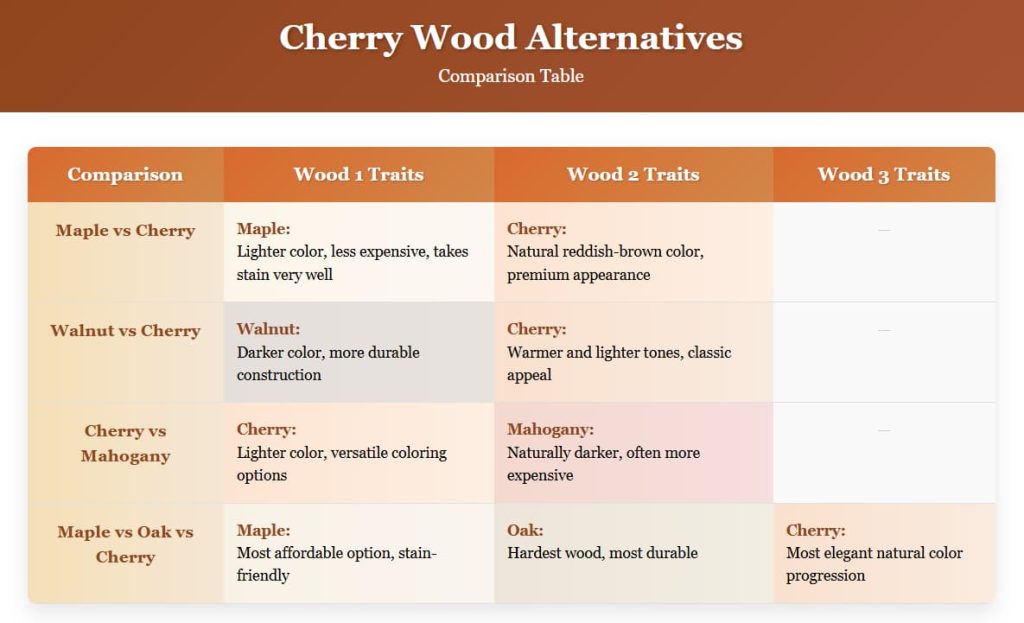
- How It Compares: While maple doesn’t look like cherry straight from the tree, a warm reddish-brown stain can give it a cherry-like glow.
- Best For: Anyone watching their budget but still wanting a strong, flexible wood that can do a bit of everything.
- Key Advantage: It absorbs stain uniformly, making it one of the most dependable cherry substitutes at a far lesser price.
2. Alder (The Natural Warm-Up)
- Natural Color: Light brown with subtle reddish undertones.
- How It Compares: Naturally warm tones require less dramatic staining to achieve a cherry-like appearance.
- Best For: Farmhouse or rustic furniture, particularly if you enjoy some texture.
- Key Advantage: Most closely resembles cherry in natural hue and requires the least amount of care.
3. Brich (The Budget-Friendly Option)
- Natural Color: Pale yellow to light brown.
- How It Compares: Like maple, birch needs a reddish stain to match cherry. Once stained, it gives a smooth and warm finish.
- Best For: Cabinets, dining tables, or bedroom furniture if you’re looking for a more cost-effective choice.
- Key Advantage: Excellent value proposition for cherry-look furniture.
4. Mahogany (The Luxury Alternative)
- Natural Color: Amber to deep reddish-brown.
- How It Compares: Although it can be a bit darker, solid mahogany wood already has a rich tone that is comparable to cherry.
- Best For: Elegant furniture pieces like living room coffee tables and bedroom armoire wardrobes, where a rich, deep color is desired.
- Key Advantage: Ages wonderfully without further staining and frequently has a more expensive appearance than cherry.
5. Walnut (The Premium Choice)
- Natural Color: Dark brown with reddish highlights.
- How It Compares: Though naturally darker than cherry, walnut can be stained to give a similar warm glow.
- Best For: High-end modern style furniture that needs a sleek and elegant look.
- Key Advantage: Superior durability compared to cherry while achieving similar visual appeal
6. Red Oak (The Durable Traditional)
- Natural Color: Light brown with natural reddish tint
- How It Compares: With the right cherry-colored stain, red oak can be a good match. It does, however, have a more pronounced grain pattern than cherry.
- Best For: Traditional and contemporary furniture, particularly when a strong grain texture is desirable.
- Key Advantage: Key Advantage: Highly durable and easily found, so extremely practical.
Cherry Wood Comparisons & Aging Process
Common Cherry Wood Myths Explained
Before you make your decision, let me clear up some myths that might be affecting your choice of picking one from so long:
Myth #1: Cherry Wood Is Always Deep Red
Actually, fresh cherry wood is quite light! That gorgeous deep color develops over years of exposure to light and air. So, if you’re buying new cherry furniture, don’t expect it to look like that aged piece you saw in your friend’s dining room.
Myth #2: Cherry Wood Scratches and Dents Easily
Despite being softer than oak or maple, cherry wood is nevertheless a dependable and long-lasting hardwood for furniture. With proper care and maintenance, it handles daily use very well, though it requires more careful handling than harder wood.
Myth #3: No Other Wood Can Match Cherry’s Appearance
This is completely false! Some substitutes may replicate the cherry look so perfectly with the right staining methods and high-quality wood that even furniture specialists would have to examine them closely to distinguish the differences.
How to Choose the Right Cherry Wood Alternative
Consider these important factors when selecting wood that resembles cherry:
- Budget Considerations: If cost is your main concern, you may acquire the cherry look at a far cheaper cost by staining woods like maple, alder, and birch.
- Durability Requirements: Walnut or red oak provides beautiful cherry-like finishes and durability for furniture that demands the highest strength and lifespan.
- Design Style Preferences: Wood texture and grain should match your desired look. Smooth-grained, satin-finished maple works well for contemporary styles, while more textured alder suits rustic or farmhouse design.
- Maintenance Expectations: Certain types of wood need more attention than others. Think about how much upkeep you wish to perform over time.
Furniture Recommendations for Cherry-Like Wood
If you’re in the market for furniture and want to achieve a cherry-like look, here are some great options:
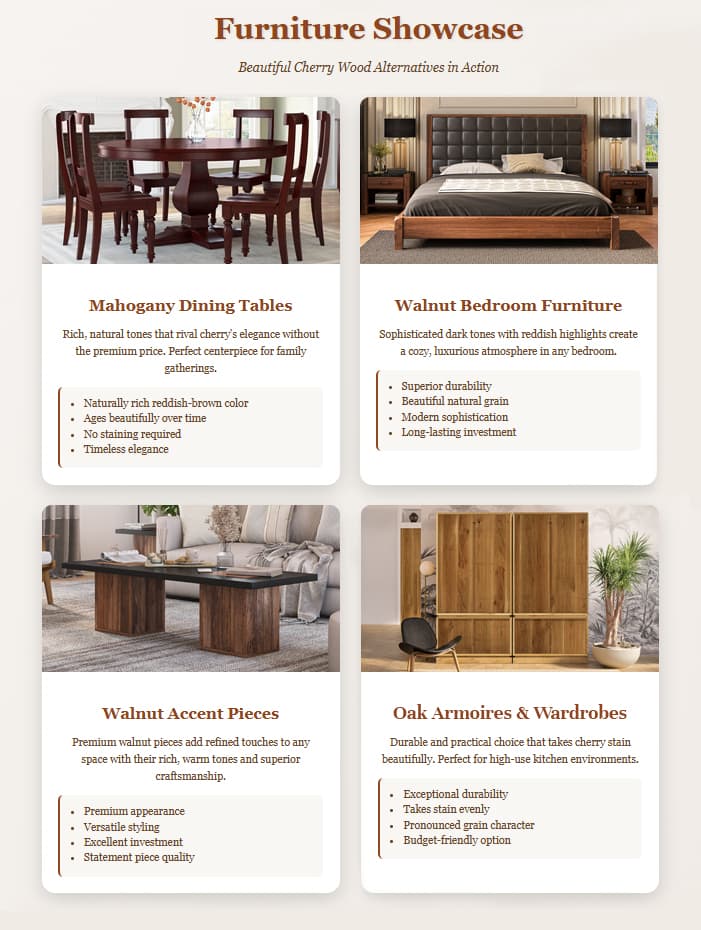
- Dining Tables: Opt for maple or mahogany dining tables with a rich cherry stain to add timeless elegance to your space.
- Bedroom Furniture: Alder or birch beds, nightstands, armoire wardrobes, and dressers finished with a cherry-colored stain to create a cozy, welcoming atmosphere.
- Kitchen & Storage Cabinets: Red oak cabinetry with a reddish stain blend offers both durability and beauty, creating the perfect look for your kitchen or living room.
- Accent Pieces: To add a refined touch to any space, think of coffee tables or walnut side tables with a crimson tint.
Professional Tips for Best Results
Here are the insider secrets that separate amateur results from professional-looking furniture:
- Always test your stain first – Different woods absorb stains differently, even when you’re aiming for the same color. Test on a hidden area or scrap piece before committing.
- Quality Matters: High-grade solid wood with fewer knots and defects will take stain more evenly and look more like genuine cherry
- Finish Protection: To preserve the appearance of your cherry-look furniture over time, apply high-quality topcoats.
- Think about lighting: The color of wood changes depending on the light, so check your wood and stain combo in the room where the furniture will live.
- Take your time: Choosing furniture is a long-term decision. Pick pieces you’ll still be excited about well after the first few months.
FAQ’s
What colors go with cherry wood bedroom furniture?
Cherry wood pairs beautifully with warm neutrals like cream, beige, and soft whites. Earth tones such as sage green, warm grays, and muted blues create elegant combinations. For contrast, deep navy or charcoal can make it pop. Avoid colors that clash with cherry’s reddish undertones, like bright oranges or cool purples.
Is cherry wood good firewood?
Yes! Cherry burns hot and smells amazing – that’s why people love it for BBQ smoking. It lights easily and doesn’t throw sparks everywhere. However, it’s considered a premium hardwood, so it’s typically more expensive than other firewood options like oak or maple.
How to make cherry wood furniture look modern?
Update hardware with sleek, contemporary pulls and knobs in brushed nickel or matte black. Pair cherry pieces with modern accessories and clean-lined décor. Use contemporary lighting and minimal styling. Consider refinishing with a lighter stain or clear coat to reduce the traditional reddish tone. Mix cherry furniture with modern materials like glass, metal, or concrete for contrast.
Is cherry wood stronger than oak?
No, cherry wood is generally not as strong as oak. Oak has a higher density and hardness rating (around 1,290-1,350 lbf on the Janka scale) compared to cherry (around 950 lbf). Oak is more durable for high-impact applications, while cherry is still plenty strong for furniture but softer and easier to work with.
What are the disadvantages of cherry wood?
Cherry wood is expensive, softer than many hardwoods (making it prone to dents and scratches), and darkens significantly over time when exposed to light, which can create uneven coloring. It can be challenging to stain evenly due to its natural variation, and it’s susceptible to water damage. The wood also tends to move with humidity changes.
Which wood is stronger, maple or cherry?
Maple is stronger than cherry. Hard maple (sugar maple) has a Janka hardness rating of about 1,450 lbf compared to cherry’s 950 lbf. Maple is denser, more durable, and better suited for high-wear applications like flooring or cutting boards. Cherry, while still a quality hardwood, is softer and more suitable for furniture and cabinetry where extreme hardness isn’t required.
Making Your Final Decision
In closing, this guide will help you realize that achieving the rich, warm, and inviting look of cherry wood furniture is entirely possible without the need to invest in genuine cherry wood pieces. By using the right staining techniques, you can transform more affordable woods like maple, alder, or mahogany to mimic the timeless beauty of cherry.
And for those who want a truly unique and personalized touch, brands like Sierra Living Concepts provide handcrafted solid wood furniture customized to your preferred color and style, allowing you to enjoy the perfect cherry wood aesthetic tailored specifically to your home. With these options, creating that cozy, elegant atmosphere is within reach for every budget and taste.
