
In This Article

7 Interior Design Trends to Know for 2026, Expert Predictions & Tips
After years of minimalist, all-white interiors and cool gray palettes, 2026 is bringing a refreshing shift toward spaces that feel lived-in, personal, and deeply connected to nature.
Interior designers across the country are reporting a significant move away from sterile aesthetics toward homes that tell a story, embrace warmth, and prioritize emotional wellbeing.
The design community agrees that homeowners now want spaces that feel layered and full of personality, moving away from anything too polished or perfect.
Key Takeaways
- 2026 ushers in a shift in interior design toward warm, earthy color palettes, replacing cool grays and whites.
- CColor drenching becomes popular, which involves painting entire rooms in a single color to create a cohesive and immersive atmosphere.
- Texture takes center stage as the new luxury, focusing on layering materials to create inviting and lived-in spaces.
- Architectural details make a comeback, with elements like crown molding and chair rails enhancing the home design.
- Biophilic design evolves, emphasizing natural materials and elements that enhance well-being and emotional connection
2025 vs. 2026 Interior Design Forecast
| Category | 2025 Fading Trend (Out) | 2026 Emerging Trend (In) |
| Color Palette | Cool Grays & Stark Whites | Rich Earth Tones (Browns, Terracotta) & Jewel Tones (Burgundy, Jade) |
| Kitchen Cabinets | All-White, High-Gloss Finishes | White Oak Wood, Teal Accents, & Matte Finishes |
| Cabinet Style | Traditional Wide Shaker | Slim Shaker & Reeded/Fluted Texturing |
| Wall Treatments | Single “Accent Walls” | Color Drenching (Ceiling to Floor) & Block Print Wallpaper |
| Textiles | Smooth Cotton & Synthetics | High-Texture Fabrics (Bouclé, Velvet, Heavy Linens) |
| Furniture | Mass-Produced “Fast Furniture” | Sustainable Heirlooms, Vintage Pieces & Solid Wood |
| Layout Focus | Open Concept Everything | Defined Spaces & Cozy “Listening Room” Corners |
1. Warm, Earthy Color Palettes Replace Cool Grays.
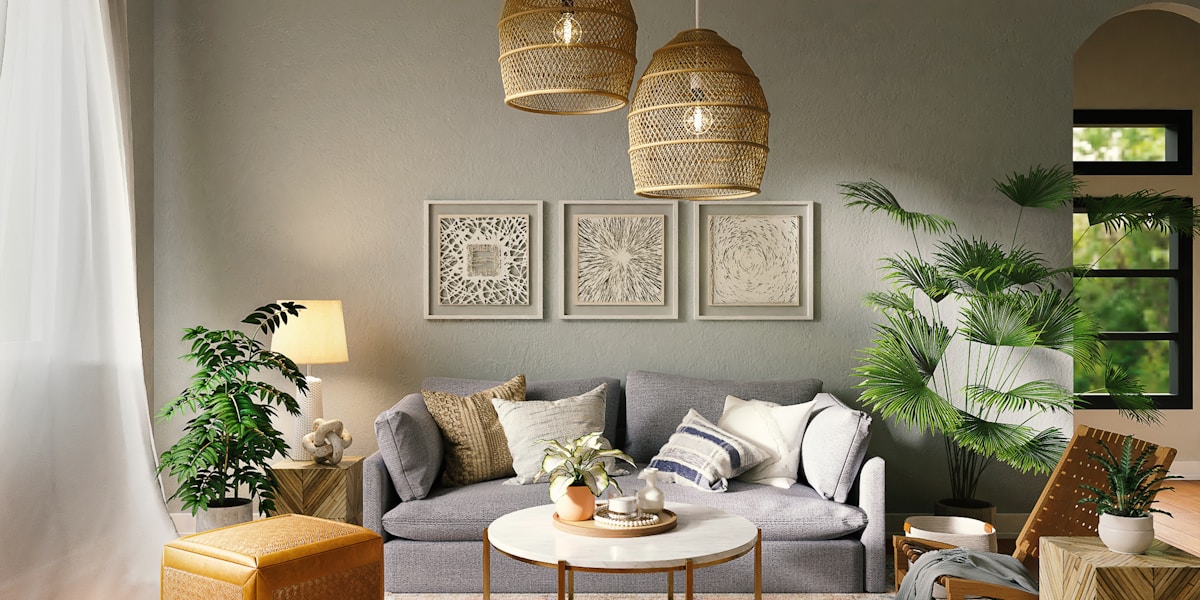
The reign of cool grays and stark whites is officially over. Designers emphasize that saturated colors like burgundy, terracotta, chocolate, navy, and olive green are now in vogue, with homeowners embracing hues that create warmth and depth.
Expert Insight: Sarah and Becca Goesling note that colors in 2026 will be less about timelessness and more about emotional resonance. Paint brands have followed suit, with Benjamin Moore selecting Silhouette (a rich espresso brown) and Behr choosing Hidden Gem (a smoky jade) as their 2026 colors of the year.
Popular Color Choices for 2026:
- Deep jewel tones: dusty emerald, sapphire blue, and muted cranberry
- Earthy neutrals: ochre, raw umber, and warm caramel
- Nature-inspired hues: terracotta, olive green, and clay reds
- Unexpected combinations: periwinkle with chocolate brown, chartreuse with baby blue
Designers highlight that brown is making a comeback in richer, more nuanced shades that bring warmth and elegance, stepping away from the dull, heavy browns of previous decades.
2. Color Drenching Creates Enveloping Spaces
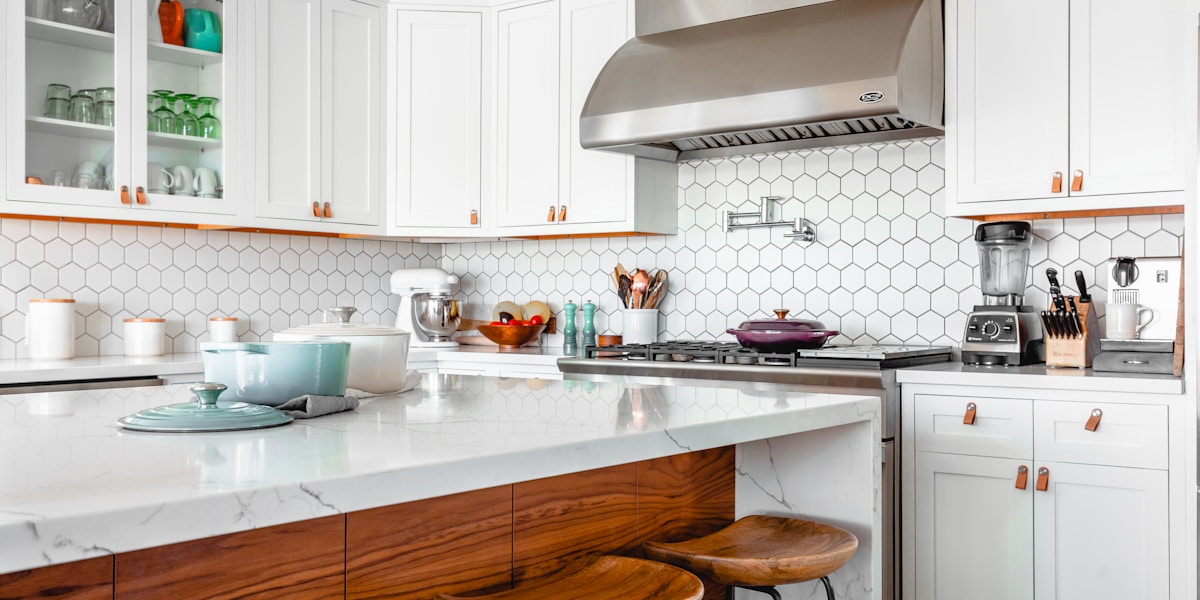
Color drenching involves painting entire rooms in one color to create an enveloping feeling, including ceilings, walls, and trim. This technique transforms spaces into cocoon-like environments that feel intentional and immersive.
Interior designer Sharon McCormick explains this trend has staying power through 2026, allowing homeowners to make bold statements while maintaining visual cohesion.
The monochromatic approach works particularly well with jewel tones and saturated colors, creating dramatic yet harmonious spaces.
3. Texture Becomes the New Luxury
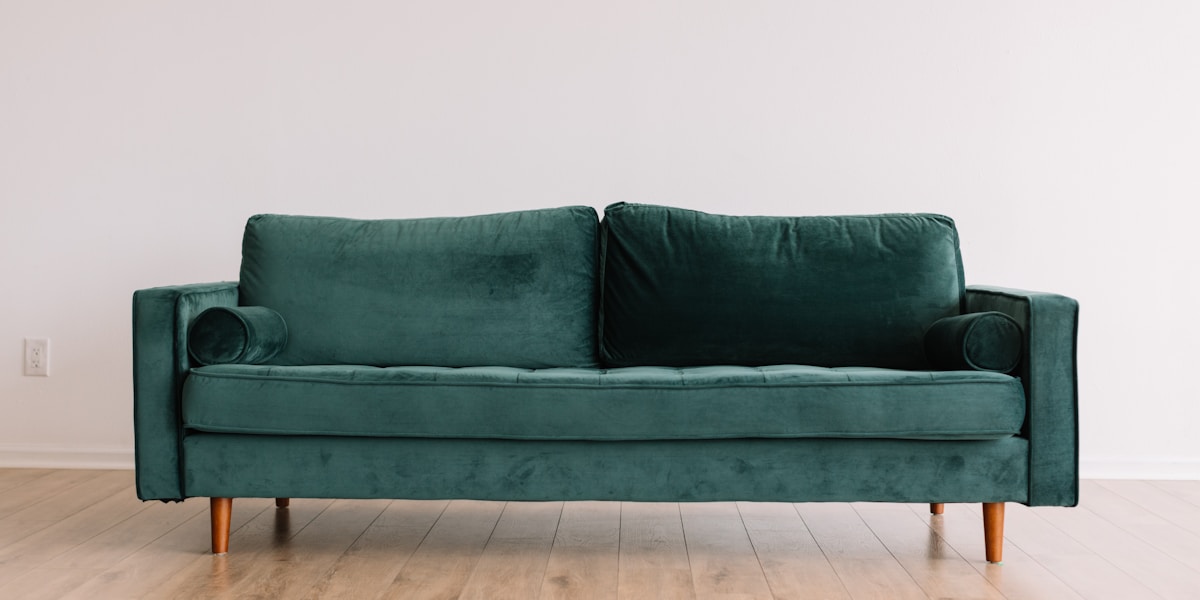
Johanna Constantinou identifies texture as the new luxury, with designers combining materials like velvet, wool, rattan, and linen to create inviting, lived-in spaces.
How to Layer Textures:
- High-pile wool rugs for anchor spaces.
- Bouclé accent chairs for warmth without visual weight
- Velvet upholstery for sophisticated depth
- Mix of linen pillows, wool throws, and textured cushions
- Contrast between smooth and nubby, crisp and plush fabrics.
The key difference in 2026? Texture is no longer just an accent—it’s the foundation of how rooms are designed. Even minimal spaces gain richness through thoughtful textile layering.
4. Architectural Details Make a Comeback
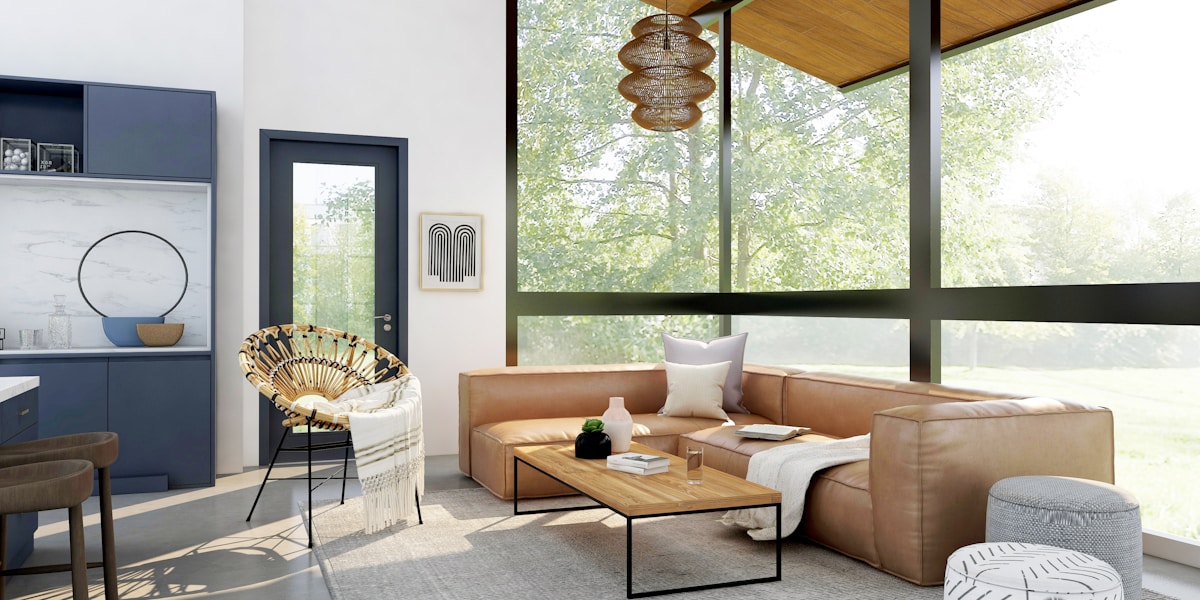
Lauren Farrell notes that homeowners are rediscovering architectural details like chair rails, picture-frame molding, and layered crown molding, especially in newer construction that previously lacked these elements.
This trend represents a move toward homes that feel “dressed” and thoughtfully designed. Rooms now feature bedskirts, lined drapery, and structured-yet-soft upholstery. Designers are reimagining traditional elements with cleaner profiles, pairing chair rails with wainscoting or applied moldings for layered, textural effects.
Popular Architectural Elements:
- Crown molding scaled to ceiling height (2.5-6 inches for standard 8-foot ceilings)
- Chair rails have contemporary profiles.
- Picture molding for visual hierarchy
- Decorative toe kicks and baseboard details
- Fluted panels on cabinetry, islands, and walls
5. Biophilic Design Evolves Beyond Houseplants
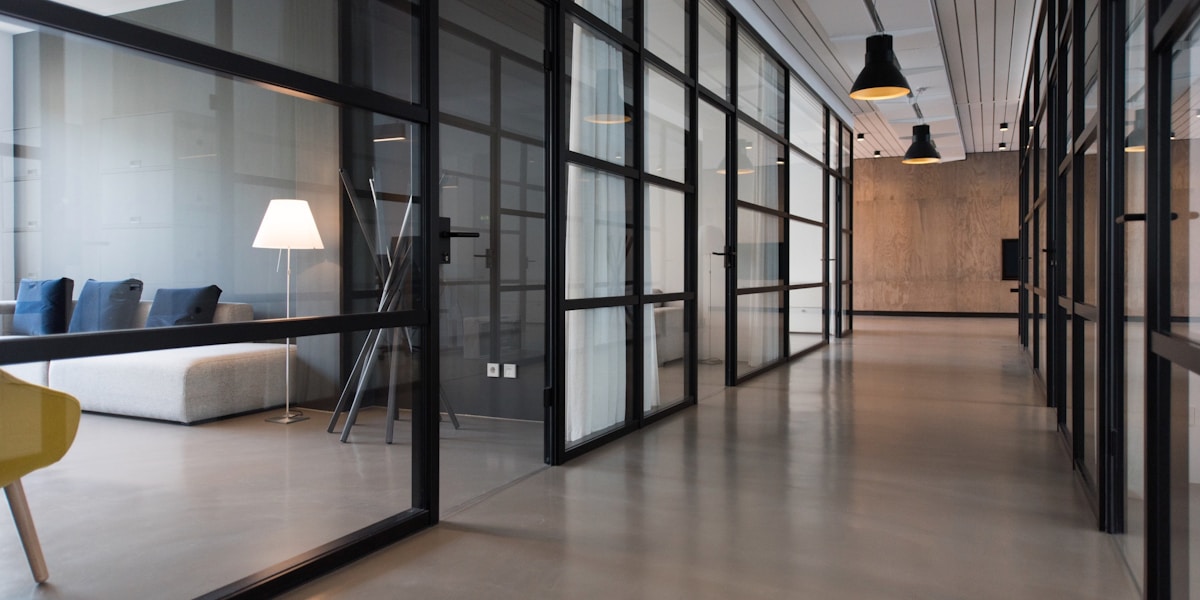
Biophilic design incorporates natural elements, organic materials, and nature-inspired patterns to create spaces that enhance well-being and reduce stress. This goes far beyond simply adding plants to rooms.
Key Elements of Biophilic Design:
- Large windows and skylights maximize natural light.
- Natural materials: wood, stone, linen, wool, and rattan
- Living walls and indoor gardens
- Water features for calming ambiance
- Organic shapes and biomorphic patterns
- Natural color palettes inspired by landscapes
Research supports this trend: neuropsychological studies indicate that biophilic indoor spaces reduce cognitive-emotional overload and decrease feelings of fatigue, anxiety, and depression.
Post-pandemic living has positioned health, stress reduction, and emotional wellness at the center of design decisions, making biophilic elements essential rather than optional.
6. Kitchens: Embrace color and personality.
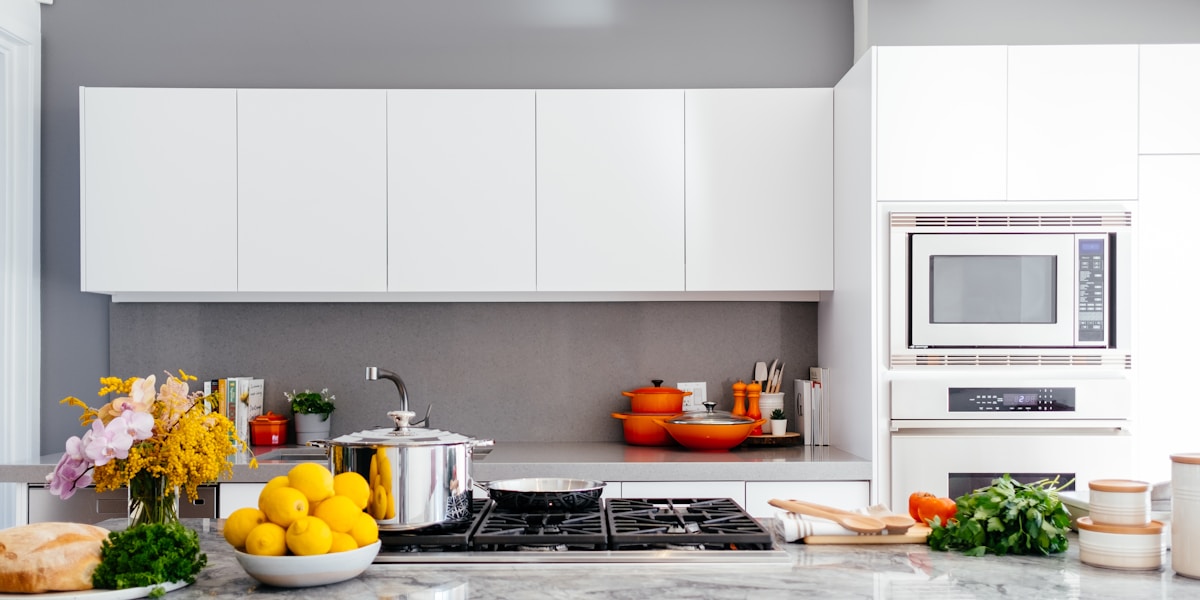
Kitchens in 2026 are moving away from all-white designs toward painted cabinets in deep colors like teal, dark blue, and taupe. The trend emphasizes mixing painted cabinets with natural wood finishes, particularly white oak, to add warmth.
2026 Kitchen Trends:
- Painted cabinets in bold, warm colors
- Artisanal, handcrafted tiles for unique backsplashes
- Brass fixtures for warmth and luxury
- Communal islands as social hubs with seating
- Textiles (rugs, window treatments, upholstered stools) to soften the space.
- Dry pantries for efficient storage and prep areas
Designers note that kitchens are balancing personality with practicality, creating spaces that support not just cooking but living and gathering.
7. Sustainable Materials and Slow Design
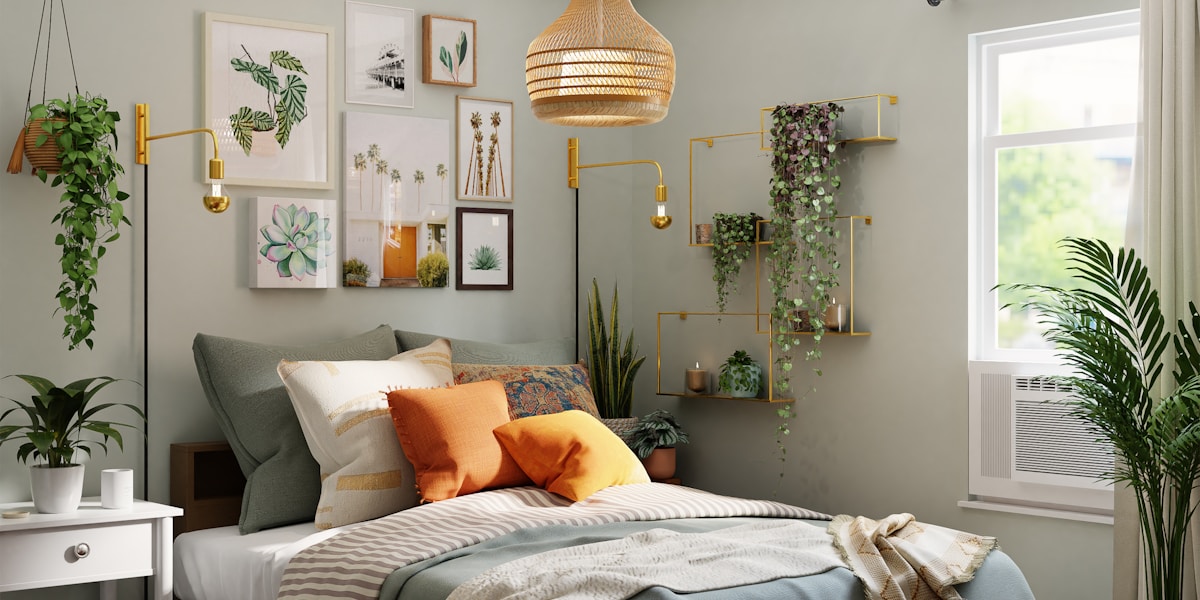
Sustainability has evolved from a buzzword to a necessity, with homeowners prioritizing eco-conscious materials from reclaimed wood flooring to recycled stone countertops.
The “slow design” movement emphasizes intentional, sustainable choices that prioritize craftsmanship and longevity over speed. Designers report client requests for objects with soul—hand-embroidered panels, artisan glasswork, and bespoke furniture from local makers.
Sustainable Design Choices:
- Reclaimed and vintage furniture over mass-produced pieces
- Energy-efficient lighting and smart home systems
- Natural fabrics: organic cotton, linen, wool
- Non-toxic, low-VOC paints
- FSC-certified wood and recycled materials
- Locally sourced, traceable materials
Rising material costs and backlash against fast furniture are driving conscious choices toward one-off pieces with traceable origins.
What’s Out for 2026?
As these trends rise, several popular styles are fading:
Outdated for 2026:
- All-beige monochromatic schemes
- Open shelving in kitchens (impractical storage)
- Matte black hardware (overused and lacking warmth)
- Small-format tiles with excessive grout lines
- Stark white, overly minimalist spaces
- Cookie-cutter, builder-grade finishes
How to Incorporate 2026 Trends Into Your Home
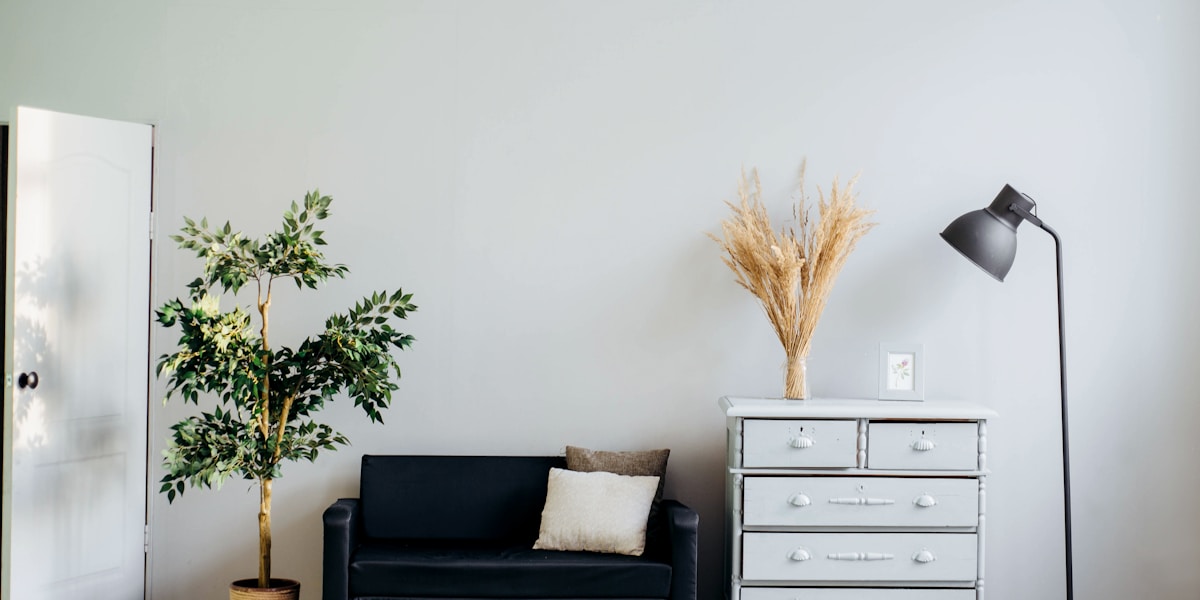
You don’t need a complete overhaul to embrace these trends. Start with statement pieces that reflect your personality:
- Add Warmth Through Color: Paint an accent wall in a rich jewel tone or warm neutral
- Layer Textures: Invest in quality textiles—velvet pillows, wool throws, bouclé furniture
- Bring in Nature: Add substantial plants, natural wood pieces, or stone elements
- Choose Quality Over Quantity: Select a few well-made, sustainable pieces rather than mass-produced items
- Personalize Your Space: Create gallery walls with meaningful art and photos
- Update Hardware: Replace matte black with warm brass or bronze finishes
- Consider Architectural Details: Add picture molding or crown molding to create visual interest
The Bottom Line
The interior design trends of 2026 represent a cultural shift toward homes that nurture both people and the planet. Character, comfort, and uniqueness are shaping how we style our homes, with an emphasis on emotional connection over perfection.
As designers unanimously agree, 2026 is about creating spaces that feel deeply personal, lived-in, and connected to nature—homes that support well-being while expressing individual style. Whether you’re planning a major renovation or a simple refresh, these trends offer a roadmap for creating interiors that truly feel like home.
Frequently Asked Questions
What is the biggest interior design trend for 2026?
The shift toward warm, saturated colors and away from cool grays represents the most significant change, with designers reporting overwhelming client demand for earthy, jewel-toned palettes.
Is minimalism out in 2026?
Stark minimalism is fading in favor of layered, textural spaces that feel lived-in and personal. However, intentional simplicity with warmth and character remains relevant.
What colors are trending for 2026?
Warm neutrals (caramel, ochre, warm browns), jewel tones (emerald, sapphire, burgundy), and nature-inspired hues (terracotta, olive green, clay red) dominate the palette.
How can I make my home feel more 2026?
Focus on adding warmth through color, layering textures, incorporating natural materials, and choosing pieces with personal meaning and sustainable origins.
Are white kitchens still in style?
All-white kitchens are declining in popularity as homeowners embrace painted cabinets in bold colors mixed with natural wood tones for added warmth and personality.
