


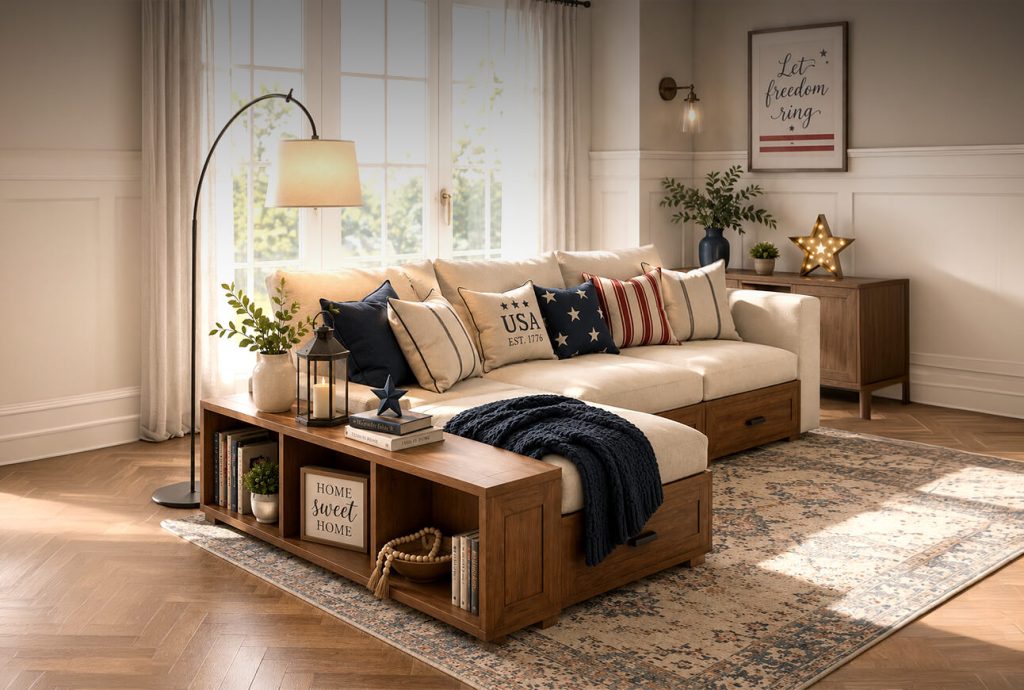
As America approaches its 250th anniversary in 2026, furniture offers a unique lens into the nation’s history. From simple Colonial pieces to sleek Mid-Century Modern designs, American furniture reflects 250 years of craftsmanship, cultural change, and home life. Solid wood, handcrafted pieces remain especially prized for their durability, sustainability, and ability to become treasured family heirlooms.
In 2026, the United States will mark its 250th anniversary of American independence, a milestone known as the Semiquincentennial. It’s a moment to reflect on how far the country has come since 1776, not just in politics and culture, but in the everyday spaces where families gather, rest, and build memories.
Homes tell their version of American history. Walk through any house and you’ll find clues about the era it belongs to, often written in wood, fabric, and form. Furniture, in particular, has quietly recorded the nation’s evolving tastes, values, and skills for two and a half centuries.
This article explores how furniture reflects 250 years of American heritage, craftsmanship, and home design. You’ll learn how major furniture styles shaped American homes, why solid wood furniture endures, and how to bring heritage-inspired design into your own space just in time to celebrate this historic anniversary.
250 Years of American History and Home Living

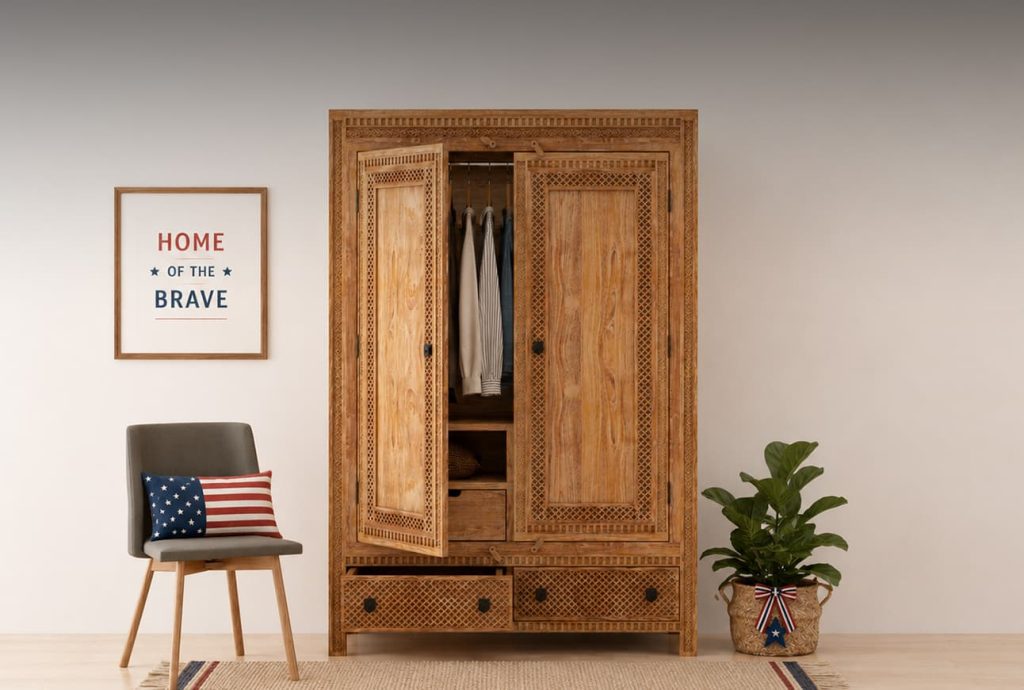
The story of American furniture begins in the colonial settlements of the 1700s and stretches all the way to the smart, multifunctional homes of 2026. Across these 250 years, American homes transformed dramatically.
Early American households were modest. Most families owned only a handful of practical pieces: a table, a few chairs, and a chest for storage. As the country grew wealthier and more industrialized through the 1800s, homes filled with more furniture and more decoration. The 20th century brought suburban living, open floor plans, and a growing appreciation for design as a form of self-expression.
Several forces shaped this evolution. Waves of immigration brought new woodworking traditions from Europe, Asia, and beyond. Westward migration spread regional styles across the continent. Industrial innovation made furniture more affordable and accessible. Through it all, the American home remained a reflection of who its occupants were and what they valued.
Furniture Styles That Shaped America
American furniture history reads like a timeline of the nation itself. Each major period left behind distinctive styles that still influence how we decorate today.
Colonial Furniture (1620s–1780s)
Colonial furniture was sturdy, simple, and built to last. Early American craftsmen worked with local hardwoods like maple, oak, and pine, creating practical pieces such as trestle tables, ladder-back chairs, and blanket chests. Function came first, but skilled joinery and honest materials gave these pieces lasting appeal. Their clean, unpretentious look still fits perfectly in farmhouse and rustic interiors today.
Federal Style (1780s–1820s)
After independence, American design grew more refined. The Federal style—inspired by classical Greek and Roman motifs—reflected the optimism of the young republic. Furniture became lighter and more elegant, featuring tapered legs, delicate inlays, and patriotic symbols like eagles and stars. Cabinetmakers such as Duncan Phyfe became celebrated for their craftsmanship during this era.
Victorian Era (1840s–1900s)
The Victorian period embraced ornamentation and abundance. Made possible by industrial manufacturing, Victorian furniture featured elaborate carvings, dark woods like walnut and mahogany, rich upholstery, and dramatic curves. Pieces were heavy, formal, and designed to display a family’s prosperity. The Victorian love of detail still appears in traditional and antique-inspired interiors.
Arts & Crafts Movement (1880s–1920s)
As a reaction against mass production, the Arts & Crafts movement championed handmade quality and simple, honest design. American figures like Gustav Stickley popularized sturdy oak furniture with visible joinery and clean lines. According to The Metropolitan Museum of Art, the movement valued craftsmanship and natural materials above factory output, a philosophy that resonates strongly with today’s makers and buyers.
Mid-Century Modern (1940s–1960s)
Mid-Century Modern was one of the most important American styles of the 20th century. It focused on clean lines, organic shapes, and simple functionality. Designers like Charles and Ray Eames created iconic pieces that married beauty with everyday usefulness. This style remains hugely popular, a testament to the lasting value of effective design.
Contemporary American Design (1970s–Today)
Modern American furniture blends the best of the past with new ideas about sustainability, comfort, and flexibility. Today’s makers often combine solid wood craftsmanship with minimalist forms, creating pieces that suit busy, modern lives while honoring traditional skills.
Bringing American Heritage Into Modern Homes
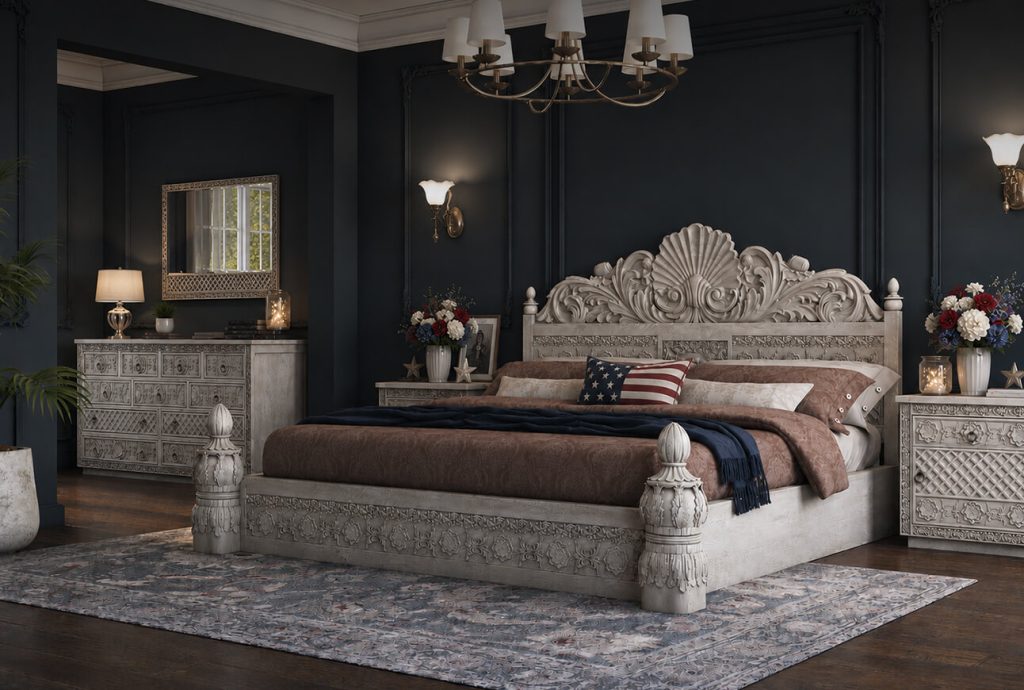
You don’t need a museum-piece budget to celebrate American design heritage at home. A few thoughtful choices can bring history and warmth into any space.
- Rustic farmhouse interiors: Pair a solid wood dining table with simple chairs and natural textures for that timeless Colonial-inspired feel.
- Traditional Americana décor: Mix warm woods with classic patterns, vintage accents, and a muted palette of reds, creams, and blues.
- Modern patriotic accents: Skip the obvious flag motifs. Instead, layer in subtle nods through artwork, textiles, and handcrafted wood pieces.
- Heritage-inspired dining rooms: A statement sideboard or hutch anchors the room and offers practical storage for generations to come.
- Solid wood statement pieces: Even one well-chosen item, a bookshelf, a wooden bedframe, or a media console, can ground a room in authentic craftsmanship.
The goal is balance. Heritage design works best when it feels lived-in and personal, not staged.
Celebrating America’s 250th Anniversary Through Furniture
The Semiquincentennial is a fitting reason to refresh the spaces where your family lives and gathers. Here are a few meaningful ways to mark the occasion:
- Refresh living spaces with timeless furniture that will still look right in 20 years, not just this season.
- Create family gathering areas designed for connection: a generous dining table, comfortable seating, and room to linger.
- Invest in heirloom-quality pieces you can one day pass down, turning a 2026 purchase into a future family treasure.
- Decorate for Independence Day with restraint. Lean on quality wood furniture and subtle accents rather than disposable seasonal décor that ends up in a landfill.
Celebrating heritage doesn’t have to mean theming your whole home. Sometimes the most patriotic choice is simply buying something well-made and built to last.


Why Handcrafted Furniture Matters More Than Ever
In an age of fast, mass-produced goods, handcrafted furniture is different. The difference between an artisan-built piece and a factory product is easy to feel and hard to fake.
Mass production prioritizes speed and low cost, often at the expense of materials and longevity. Handcrafted furniture takes the opposite approach. Skilled artisans select quality wood, use time-tested joinery, and finish each piece with care. The result lasts longer and looks better with age.
Custom furniture adds another layer of value. When a piece is built to your exact needs—the right size, the right wood, the right finish—it fits your home and your life perfectly. There’s no compromise and no settling for “close enough.”
Over the long term, handcrafted pieces are also a smarter investment. They cost more upfront, but they rarely need replacing, and they often gain sentimental and even monetary value over time. Choosing handmade is a vote for quality, sustainability, and the craftspeople keeping these traditions alive.
A Lasting Tribute to American Craftsmanship
Two hundred and fifty years of American history have produced extraordinary innovation, resilience, and creativity, and furniture has been there every step of the way. From the simple Colonial chest to the iconic Mid-Century chair, each piece tells part of the story of how Americans have lived, worked, and gathered.
As 2026 approaches, there’s no better time to bring a piece of that heritage into your own home. Furniture is more than decoration; it’s a record of personal history, a setting for family memories, and a gift to the generations that follow.
Explore our collections of handcrafted solid wood furniture and discover pieces that honor American craftsmanship and that you will treasure for the next 250 years.
Frequently Asked Questions
America’s 250th anniversary is called the Semiquincentennial. It marks 250 years since the signing of the Declaration of Independence in 1776 and will be celebrated throughout 2026.
The most influential American furniture styles include Colonial, Federal, Victorian, Arts & Crafts, Mid-Century Modern, and Contemporary American design. Each reflects the culture, technology, and values of its era.
Solid wood furniture is more durable, sustainable, and repairable than mass-produced alternatives made from particleboard or laminate. It can last for generations and often becomes a treasured family heirloom.
Yes, for buyers who value quality and longevity. Handcrafted furniture costs more upfront but lasts far longer, rarely needs replacing, and often gains sentimental and monetary value over time, making it a worthwhile long-term investment.